

If you go to the Barbican Art Gallery you will find large tapestries in bold colours, many featuring smiling faces. But look a little closer and you’ll find many of these figures have a tragic backstory.
The work of Colombian multimedia artist Beatriz González (16 November 1932 – 9 January 2026) draws from images and themes she encountered throughout her life.
From newspaper clippings reporting on conflict and death to canvases by European masters and images of senior government officials and famous Western figures, González’ early work satirised or otherwise reimagined the world around her in bright hues, on fabric or even using furniture.
Often aligned with the pop art movement, González’s work is inherently political and has an uncanny feel to it. A dimensionless face with a smile just a little too wide; a royal portrait in sickly greens and all-too-bright blues; a reproduction of a Botticelli on a towel, or a Da Vinci painted on a table.
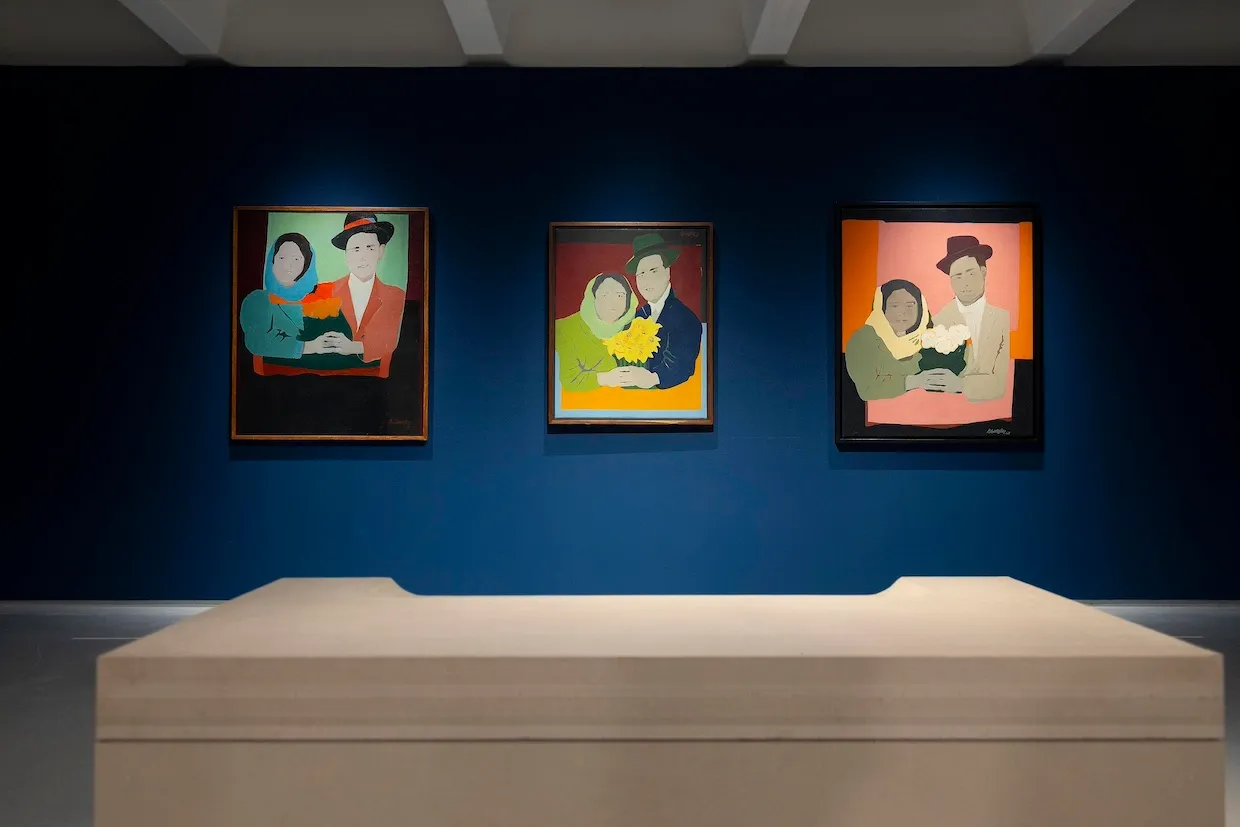
One of the most haunting of her works is Los suicidas del Sisga (The Sisga Suicides), three paintings of the same image of a couple who died in a double suicide.
The images, rarely seen together but here displayed in their own section of the gallery - use saturated colour and have a flatness which replicates the distortedness of the image in news coverage of the tragic event.
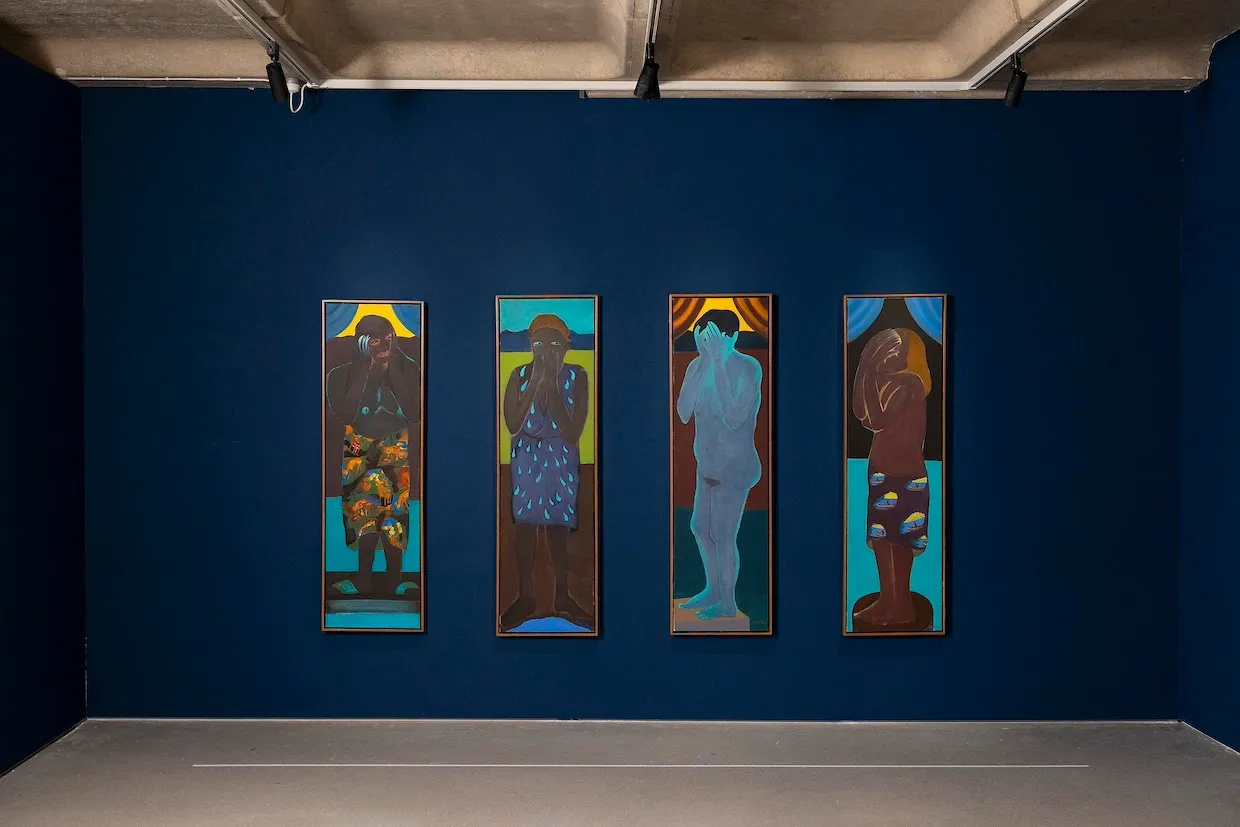
As González’s six-decade career progressed, her work moved away from playful satire to become a more sombre account of the violence she and her compatriots bore witness to. Las Delicias is a series of reimagined images of women crying which the artist took from newspapers.
A Posteriori is inspired by Auras Anónimas, the artist’s installation at the Central Cemetery in Bogotá created more than a decade earlier. Taking up an entire room, A Posteriori draws on the work where the artist filled nearly 9,000 niches initially made as burial sites for victims of conflict, many of whom were never identified.
This powerful final piece of the exhibition allows for a moment of reflection and remembrance of that which González worked so hard to honour.
Beatriz González. Barbican Art Gallery, Barbican Centre, Silk Street, EC2Y 8DS. 25 February – 10 May 2026. Book here.


