

A radical Hackney members club will mark Women’s History Month for the first time this March with a bill of special events.
The Mildmay Club was founded in 1888 and has been at its current site in Newington Green since 1900 as a men’s working club. Equal memberships have been available to women for less than 20 years.
But according to club member and volunteer Rebecca Feiner, women have “always been part of club life” from the outset.
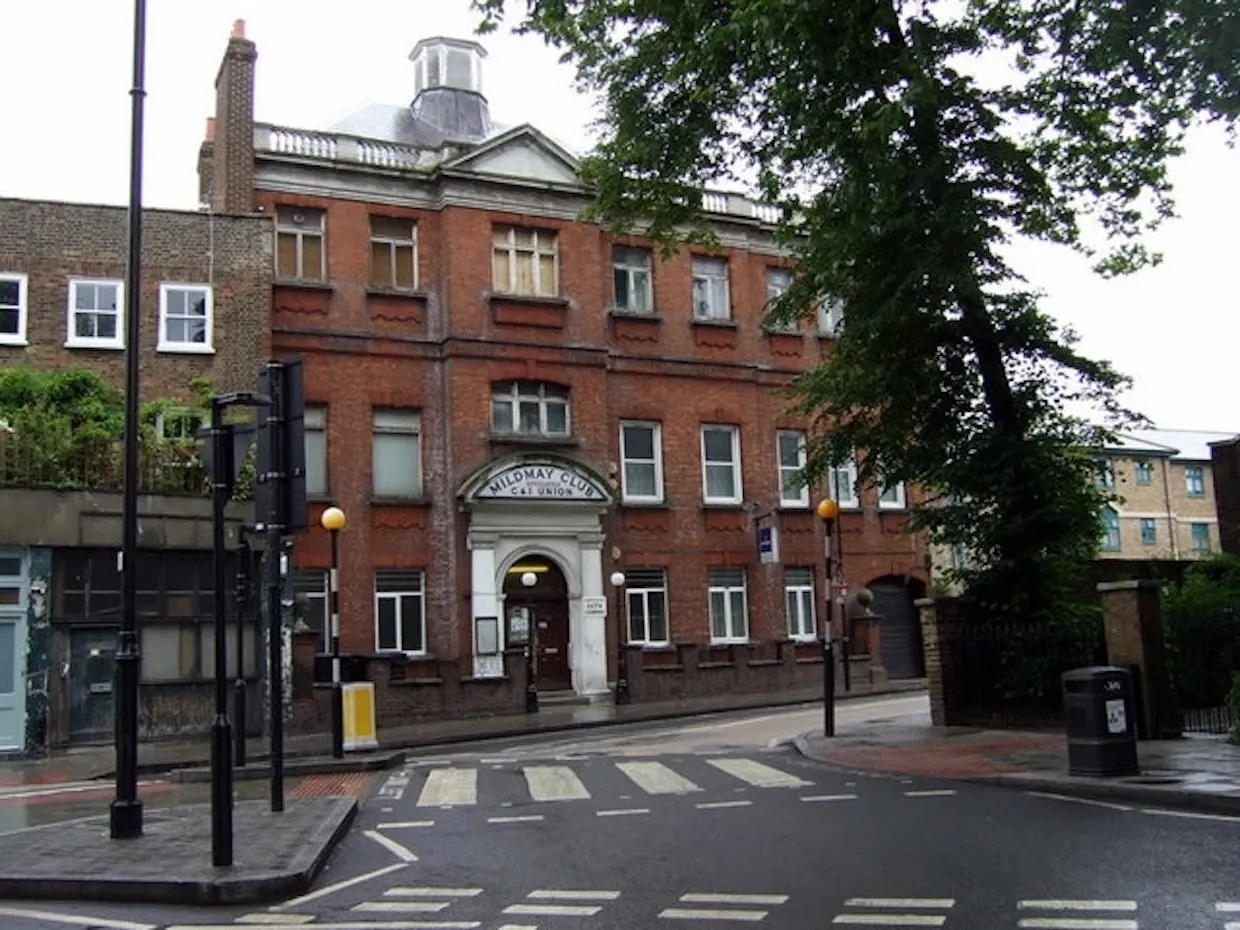
“It wasn’t until 2007 that women became equal members, and it wasn’t until 2010 that women could get into the snooker hall officially”, she told East End Review.
“Women have always been part of the history - we’ve found old dance cards from 100 years ago.
“Women were entertainers there from the earliest days along with male entertainers, as we can see from playbills. But like a lot of 19th century institutions, they’re kind of invisible in the records, even though we know they were there.
“And despite [the club’s] 138-year history, they’ve never officially been celebrated”.
The events will include a special film screening, What About The Women?, on 11 March.
A cinematic portrait of four women from the club’s history, the film was created by Hackney-based filmmaker Barney Snow, club member and actress Nina Sprigge, local historian and author Sue Doe, the Hackney Society and Tower Theatre.
Following the screening will be a panel discussion with Doe and Sprigge, as well as sociologist and author Ruth Cherrington and UCL Professor of Feminist Geography Kate Maclean, both club members.
On 15 March, the club will host a feminist walking history tour, guided by Doe, Sprigge and Feiner.
There will also be a series of members-only events taking place throughout the month. More information can be found on the Mildmay Club website.
“To me, it’s not just celebrating women’s history”, Feiner added. “It’s telling the whole story rather than half a story”.
Speaking about this history, Feiner continued: “It started as a radical men’s club in 1888, a very male space.
“It was part of a movement of the creation of spaces where working men could come and educate themselves and relax, and not necessarily give all the beer money to a public house, but to use any money that came out of that for everybody’s benefit. At its heart, it’s still powered by volunteers.
“We’re constantly losing our general cultural spaces, so it’s a really important hub. It’s completely multi-generational, and there aren’t many cultural spaces that you can go into that still have that kind of vibe”.


