

Flo Barbour is a multi-disciplinary artist living in Homerton, who found a love of film-making in her mid-20s. Originally from Newcastle, she is also a DJ and sound-system builder with an MA in architecture; her short films interweave a fascination with space, design and sound.
This merging of interests is no better demonstrated than in Flo's film Damp Bodies, selected for Porto Arquiteturas Film Festival in 2023. Damp Bodies is an 11-minute experimental short that uses a dreamlike, folklore-inspired aesthetic to explore the relationship between bodies and their surroundings. The film was influenced by the idea of psychogeography, a study of how geographical environment can unconsciously affect an individual.
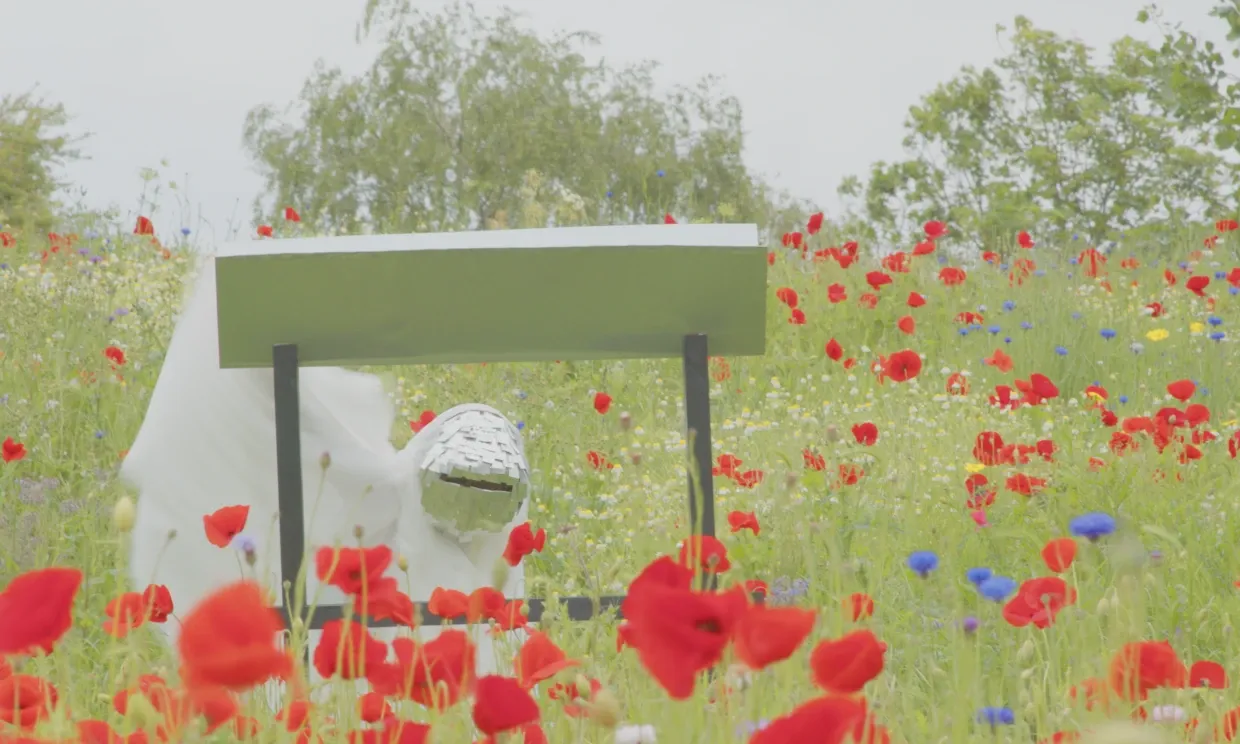
Flo tells me the idea for the film came from wandering around Thamesmead, the estate that provided much of the dystopian backdrop for Kubrick's A Clockwork Orange. "Which is a common misconception," she explains. "The setting, Thamesmead estate, was actually meant to be a utopian contrast to the brutality of violence shown. I think this also shows how Thamesmead was viewed then. It's constantly swapping between utopia and dystopia, which is what I wanted to show in my own film." Damp Bodies is an abstract film that follows three masked spirits wandering around the estate and its nature, uncovering how the space is viewed by the media and political will.
Recruiting local East London talent for the film, Flo collaborated with DOP Alex Beach on the visuals. Former housemate and artist Jasmine Vorley made the surrealist masks, while friend Rox Green played the spirits. "I think East London is an amazing place for film-makers — it really nurtures that kind of creativity, and you're probably only ever two steps away from another creative you can work with." Given her background in music, for Flo audio isn't an afterthought tacked onto a final edit: "Sound should be a side-by-side process," she notes, working closely with friends and local sound artists Zak Brashill and Lazy H on the Damp Bodies soundtrack.
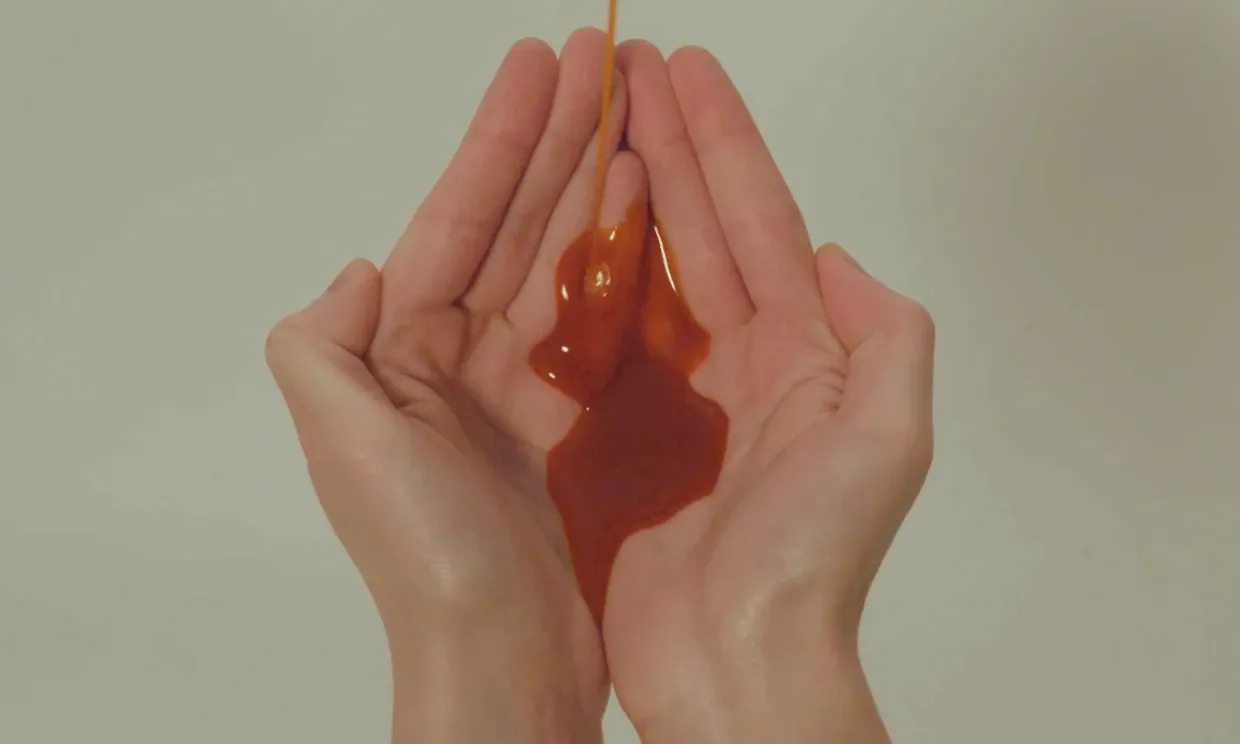
Flo's main collaborator is her sibling, Charlie Barbour, who studied film and now works as a film-maker. Speaking of the dynamic between the two, Flo shares: "We work really well together. I think I am always fizzing and overly ambitious, whereas they are so measured and practical. Charlie is non-binary and has thought about gender and body politics a lot, so most of the films we have worked on together have an element of queer identity, or of subverting and transgressing boundaries. Our film Palm actually shows both mine and their bodies, merging and swapping so they are almost indistinguishable."
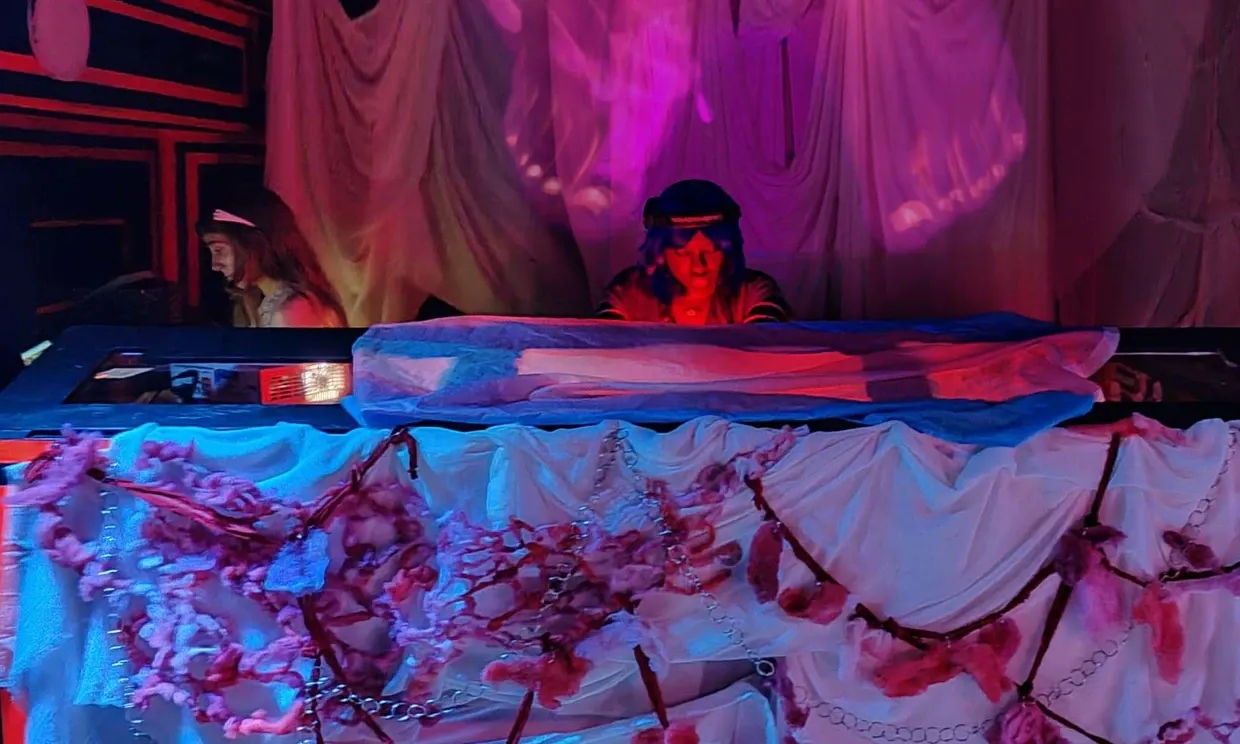
Flo and Charlie won an open call to show a film at Bar A Bar in Stoke Newington for the queer club night Trans-late x Teabreak. "I really like the idea of showing films in more unusual spaces, and clubs are a great space because then the reception is influenced by the music and the crowd as well." The film Trans-late revisits the body theme, projecting distorted body parts (lots of feet!) amid a gender-exploring landscape of pink and blue lights. Flo and Charlie mixed the video in real time to work with the music artists and the tempo of the crowd. "For this film we also took archival footage from the Kino Library, a Hoxton-based community film archive which is incredible," Flo says. "I'd recommend any film-maker to go and have a peruse, because they have amazing footage of East London through the 60s, 70s and 80s — all free to use."
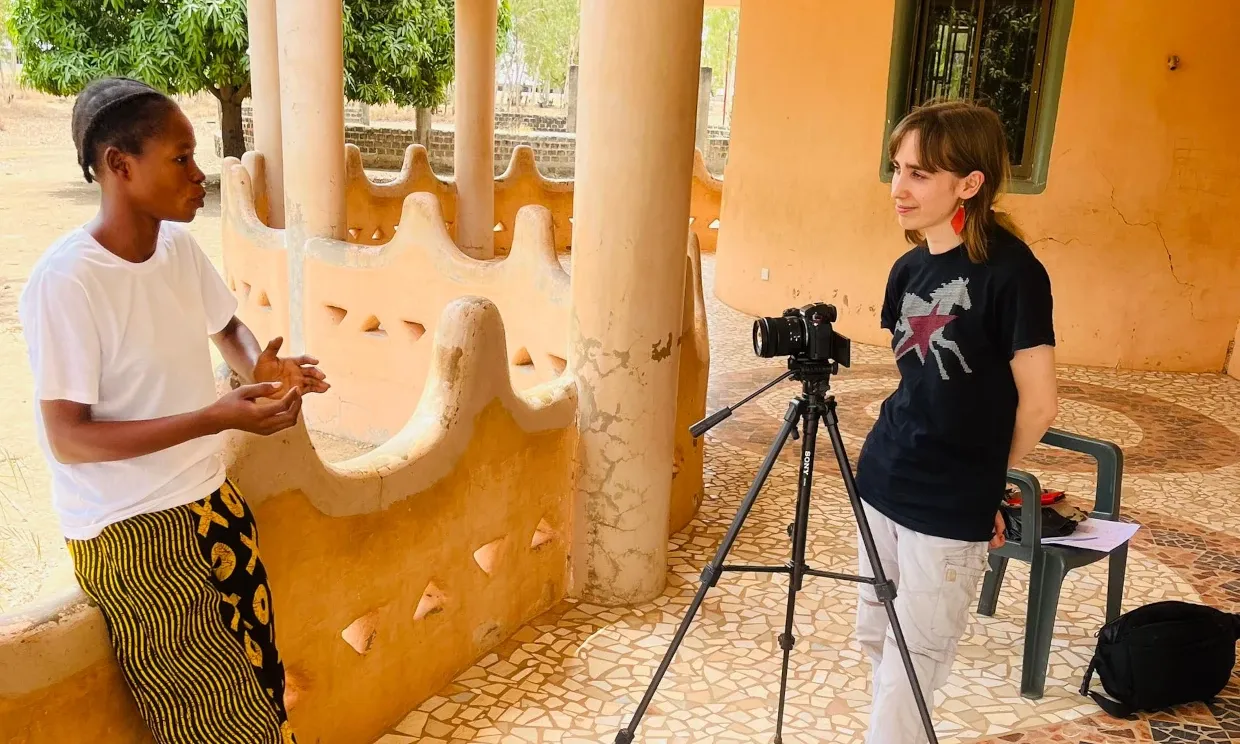
Flo's solo projects have since changed tack to a documentary style, and she is currently filming two projects in Ghana, both seeking funding. Her partner, Wilf, is doing a PhD there on the effects of gold mining on local communities, an environment that led directly to her film New Biung. The politically charged, longer-form piece looks at three different communities affected by large mining companies, documenting the consequences of, and resistance against, resettlement.
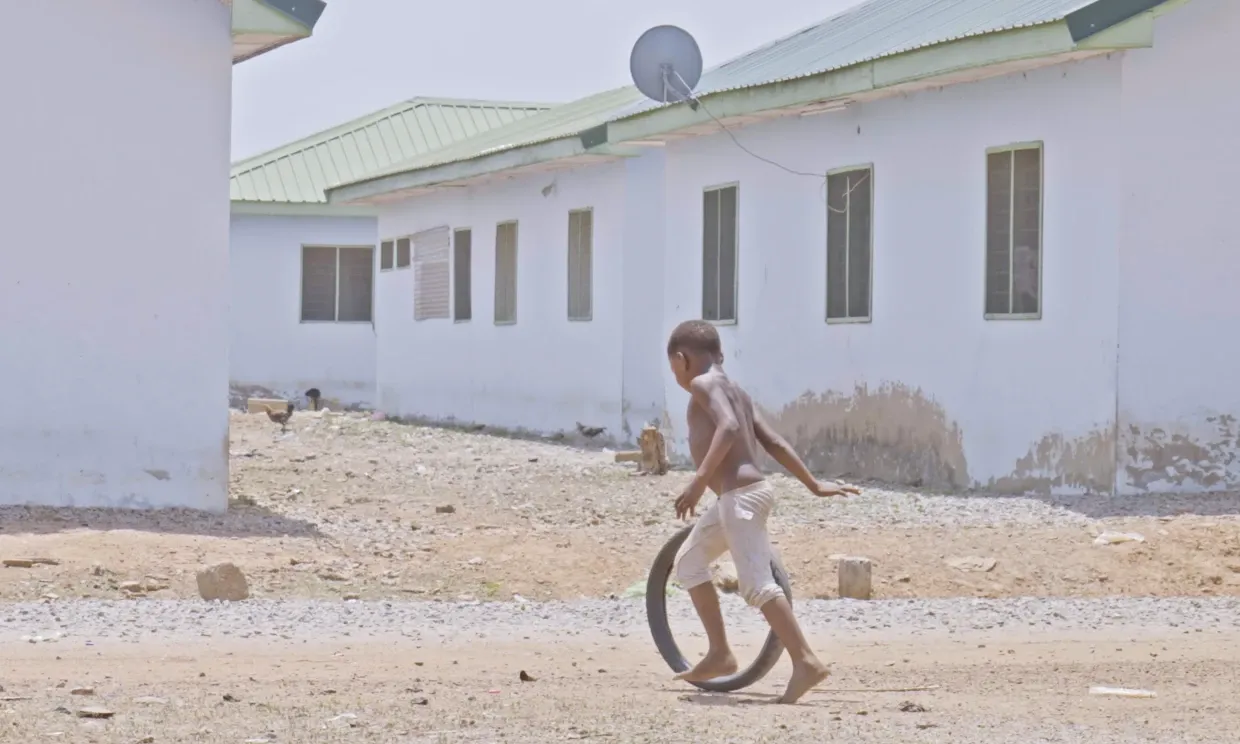
The second project, Destination Oasis, grew out of a close relationship formed while staying at a school guesthouse in Tongo. Over many a shared plate of fufu, its founder and director, Hawa Bangrey, commissioned Flo to co-create a short film to raise money for a new school bus. Speaking about how the filming experience differs outside the UK, Flo did most of the interviews in the local languages, with people in the community acting as interpreters. "But then it created this interesting layer as well," she tells me, "where the interview became a bit of a conversation between the interpreter and the people living in the village."
Flo wants to screen the films in the communities back in Ghana once they're finished, and also has hopes for New Biung to serve as a practical resource. The plan is to put it on YouTube, offering a roadmap for how other communities can successfully rally against corporate mining companies.
You can support Flo's school bus fundraising project here.
@florencebarbour


