

On 13 November, northeast London was taken over by the lesser-known sounds of some of the UK’s most exciting up-and-coming artists. Grassroots music festival The Great Escape’s First Fifty had audiences across Hackney and Tower Hamlets — including Oslo, the Sebright Arms and the George Tavern — bouncing to basslines many of them had never heard before.
In Hackney Central, the cosy second floor venue of Paper Dress Vintage in Hackney Central drew a sizable crowd, relishing the melismatic vocals and pounding drums of artists Persia Holder, Elsa and Tukki.
Along the road in Dalston, folk-soul sensation Tommy Wá, alternative popstar Isak Benjamin and singer-songwriter Dermot Henry lit up The Jago before a rapturous crowd. A week prior, the venue hosted its Thursday jam, with a £5 entry fee on the door permitting access to the ground floor. Attendance may not have been as impressive as the crowds drawn to The Great Escape, but the band still produced a groove so deep it wouldn’t have been hard to get lost in the beat.
London has long been revered for its grassroots music scene, and nowhere more so than the East End. But while big-name festivals have no difficulty coaxing crowds to this part of town — The Great Escape’s choice of location is no accident — a sad story of dwindling footfall and financial fears repeats itself in underground gig venues, pubs and clubs across this part of the city and beyond.
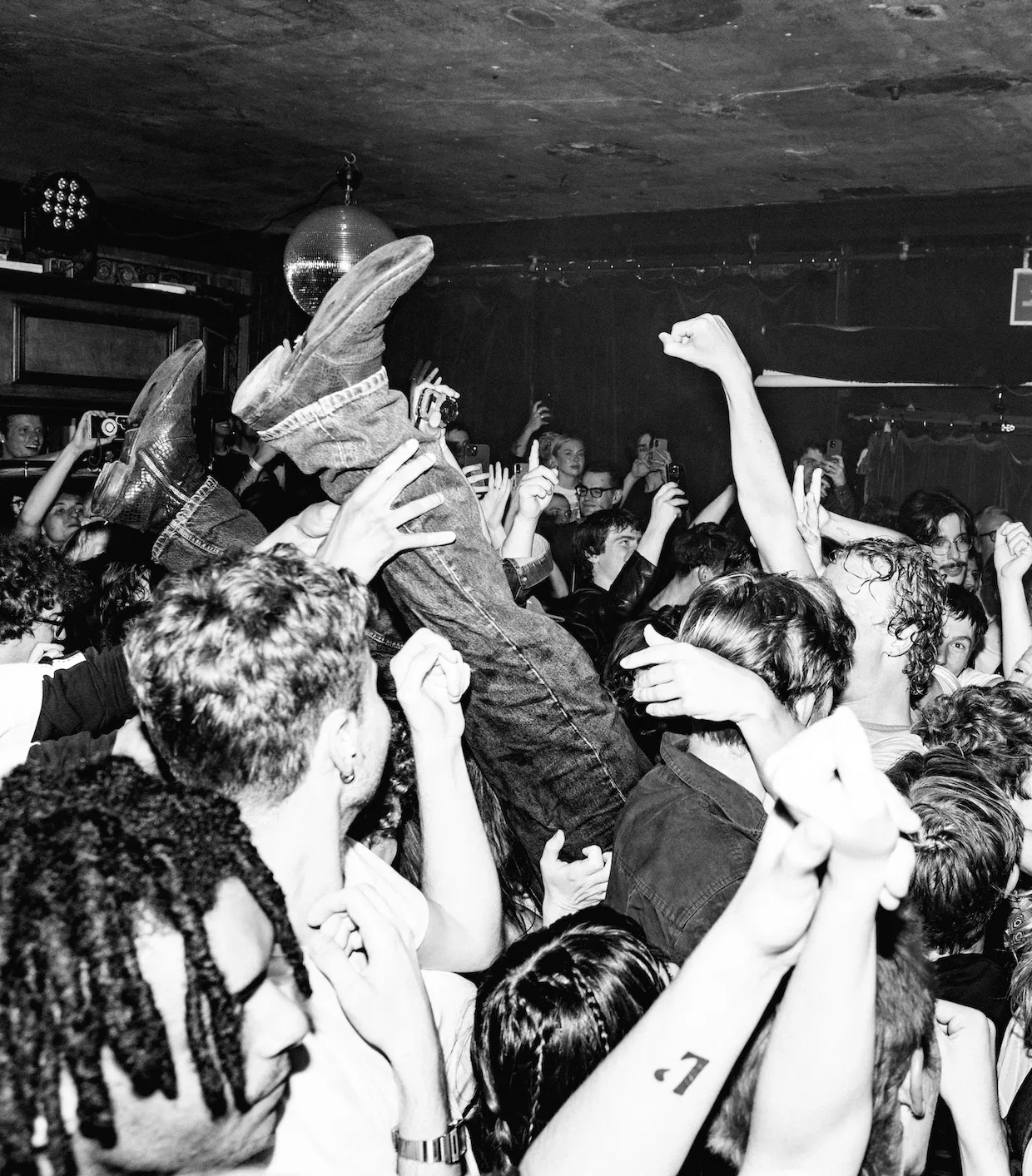
The collapse of these ecosystems is well-documented. The Music Venue Trust (MVT) reported in 2024 that the number of grassroots music venues (GMVs) nationwide had fallen by three per cent over the course of a year, while audience visits fell by 15.4 per cent. The report identified increased running costs and business rates, noise complaints, redevelopments, and insufficient turnover due to the cost of living crisis as key threats.
GMVs are not recognised as important cultural venues on par with theatres or art galleries, many of which receive government or charity funding. Instead, they are regarded as for-profit businesses despite reporting slim margins averaging 0.48 per cent, and a staggering 24.9 per cent of the entire sector needing charity support to function in 2024.
Steve Dix, co-founder/owner of Paper Dress Vintage, said ever-increasing business rates are making it harder to keep the lights on.
"Running a venue is certainly a challenge”, he told East End Review. “We don’t make any money from putting on live music. All our money comes from bar sales, and with the cost of everything rising on all sides the margins have been squeezed.
"The latest obstacle we're facing are the changes to business rates, which the Music Venue Trust are currently lobbying the government on”.
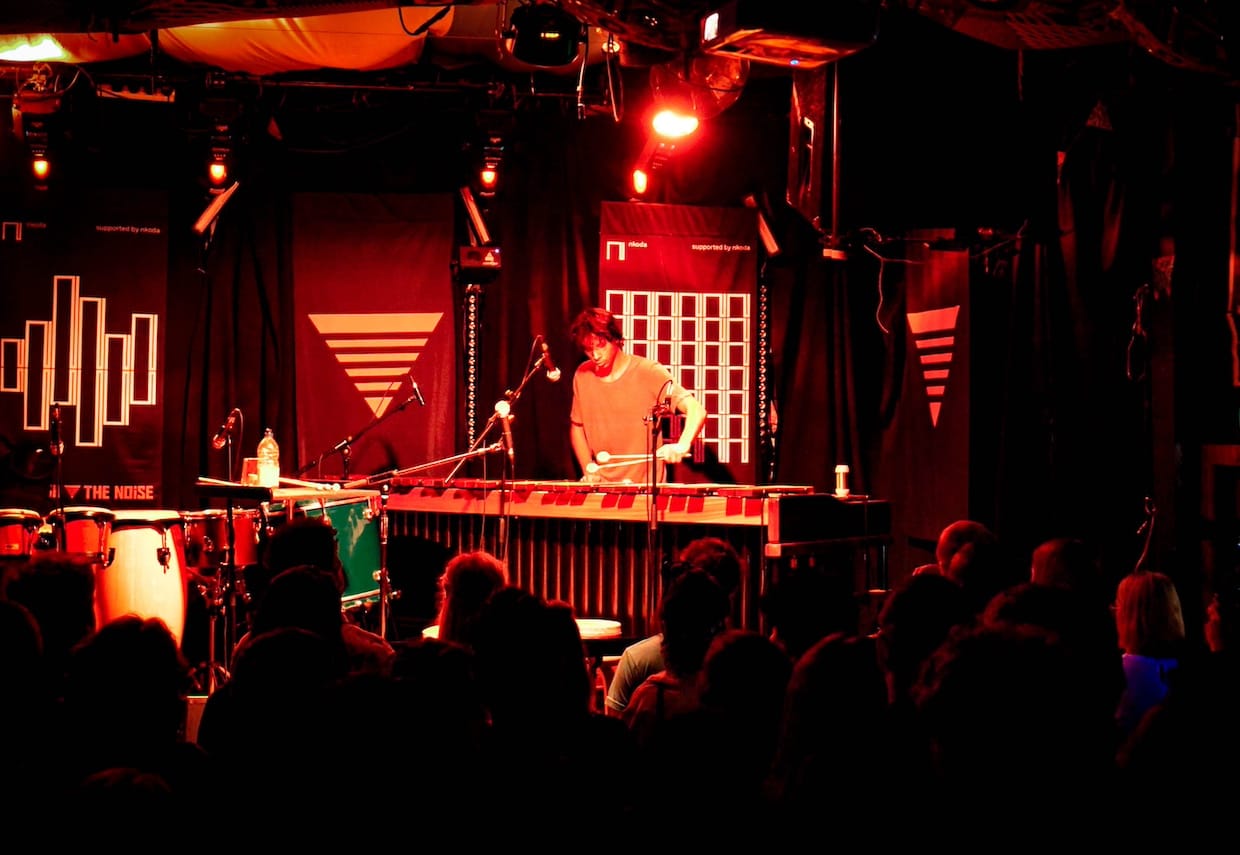
Historic gentrification in the centre of town, including in areas like Soho, has contributed to various venue closures over the decades — Madame Jojo’s and the Marquee Club now exist only in the memories of revellers of years gone by. The growth of the East End as a hub for the arts was in part a product of displacement from these inner-city districts to cheaper parts of the capital.
But independent venues are also rooted in and reliant on the communities that surround them, they tend to co-exist in specific areas — since the Vortex Jazz Club moved to Dalston in 2005, a vibrant music scene has been cultivated there, with venues such as Cafe OTO and SJQ opening nearby. It’s no surprise, therefore, that Hackney now has the highest density of music venues of any borough in London.
"It's unbelievable really what a concentration of vibrant gems we have in such a small mile radius, all offering their own unique vibe and contribution to the Hackney grassroots scene”, Dix added.
The council has had its part to play in keeping business going. In September 2025 it granted another Dalston venue, EartH, a 5am license on Fridays and Saturdays.
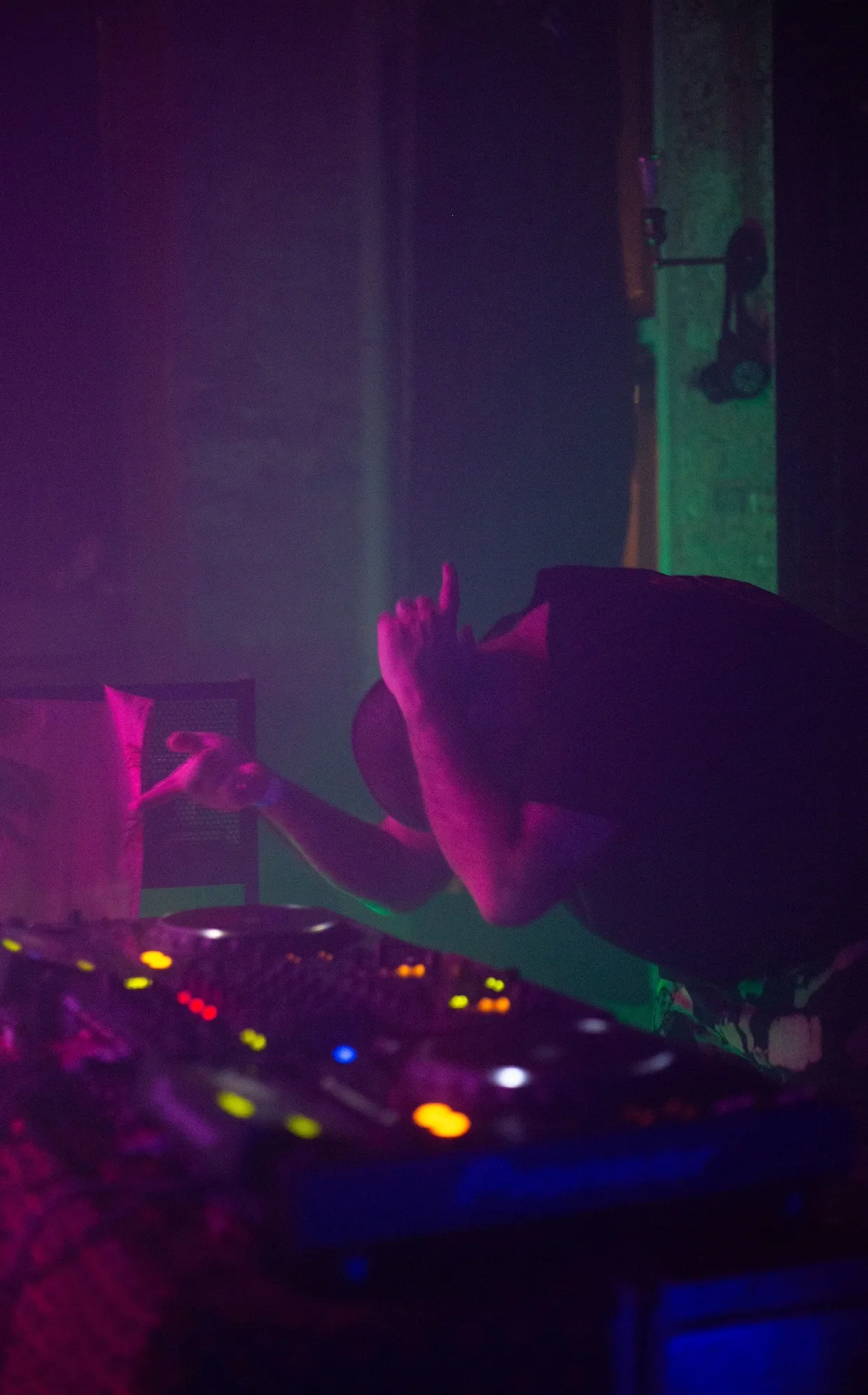
What’s more, with housing developments threatening many of the capital’s clubs and concert venues, the mayor of Hackney recently emphasised that the borough’s planning policies include an ‘agent of change’ principle which places the onus developers to “mitigate for noise” made by an existing GMV.
But the MVT says that without this principle being legally enforceable, GMVs don’t have the statutory protections they need.
"Agent of Change is guidance, not law”, the organisation says on its website. “While its inclusion in planning policy is positive, it is not a guaranteed safeguard. Decisions still rely on the planning authority’s interpretation, application and enforcement of that guidance.
“Without active attention, protections can slip, and venues can be negatively affected despite the presence of Agent of Change wording".
And it’s not just London’s East End at risk. In February 2025, the MVT warned two UK grassroots music venues were closing each week - with almost half (43.8 per cent) operating at a loss in the last year.
Nearly 800 late-night businesses have been forced to close over the past five years across the country, according to the Night Time Industries Association (NTIA), representing a 26.4 per cent reduction overall.
According to groups like Save Our Scene and the MVT, greater protections from official bodies like the council may be needed to ensure Hackney’s grassroots venues can remain open. This starts by opening a dialogue around the cultural and economic importance of GMVs.
But no amount of government or charitable support can remove the need for communities to engage with their local venues. GMVs remain an affordable way to see live music — and a band and a stage are of no use without an audience facing them.


