

Whitechapel Gallery is celebrating its 125th anniversary with a bill of exciting exhibitions and events throughout 2026.
The programme includes exhibitions by award-winning international artists, a new mentoring scheme and a series of talks — plus a collaborative arts festival taking place this summer.
The gallery first opened its doors in March 1901, hoping to bring "the finest art of the world to the people of East London". It was one of the first publicly-funded spaces hosting temporary exhibitions in the city.
But its history can be traced back 20 years prior when — in 1881 — founders Samuel Barnett, the vicar of St Jude's Church in Whitechapel, and his wife, Henrietta, launched the first Whitechapel Fine Art Exhibition, an annual display of contemporary British artwork in St Jude’s schoolroom which continued until 1898.
The Barnetts believed art “would educate people so that they might realise the extent and meaning of the past, the beauty of nature and the substance of hope”. Examples of the philanthropic work can be seen across the East End, including at the gallery and around the corner at the settlement house Toynbee Hall - a charity which operates from the same building today.
They also believed in the power of art as a tool to reconnect with spirituality and religion. In a world where, they thought, faith had been forgotten in favour of modernisation and industrialisation, both Whitechapel Gallery and Toynbee Hall were seen as ‘lamps in a dark place’, according to the contemporary author Walter Besant.
They hoped that creating a gallery in Tower Hamlets — then one of London's most deprived districts, predominantly populated by working-class and migrant families — would open up this education beyond the middle classes, for whom it had traditionally been reserved. In Governing Cultures: Art Institutions in Victorian London, Shelagh Wilson said the gallery brought 'accessibility, education and interpretation' to one of the capital's poorest neighbourhoods, spurred on in the belief of art as an 'alternative' form of charity.
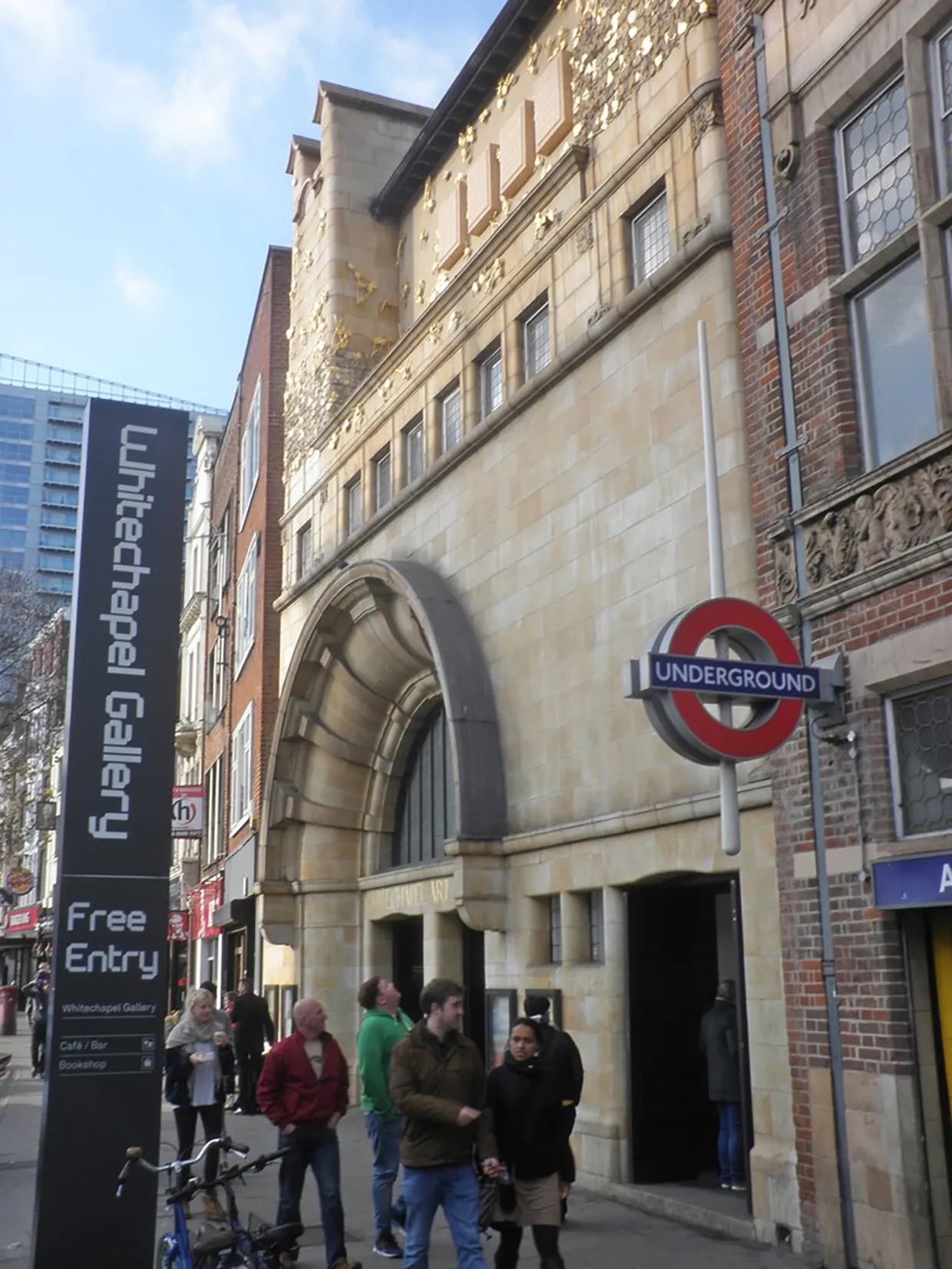
As plans for a brick-and-mortar gallery (designed by the pioneering architect behind Bishopsgate Institute and the Horniman Museum, Charles Harrison Townsend) were drawn up, the founders were eager to showcase the work of Old Masters alongside modern art and champion radical movements.
Its very first exhibitions included work by artists Edward Burne-Jones and Ford Maddox Brown, Chinese Life and Art, and one exhibiting significant Jewish Art including pieces by controversial British-American sculptor Jacob Epstein, whose work shocked audiences both thanks to its often graphic, sexual nature and its abandonment of traditional, European conventions.
In the midst of the tuberculosis epidemic, the gallery put on topical health-related exhibitions in 1909, and in 1918 another exhibition showcased the role of women during the first World War.
And in 1939, Pablo Picasso’s Guernica — the famous anti-war and anti-fascist painting — was put on display at the gallery for the first and only time in the UK. In lieu of an entrance fee, visitors were requested to donate a pair of boots to support the Republican cause in the Spanish Civil War.
Since then the gallery has played host to the works of legendary artists including Barbara Hepworth, Jackson Pollock, David Hockney, Frida Kahlo, Eva Hesse and Joy Gregory.
It also runs pioneering learning and community outreach programmes all while remaining at the forefront of the global art scene.
This year's special programme kicks off with Multiple Conversations, an exhibition by Turner Prize-winning artist Veronica Ryan from 1 April. Exhibiting at the same time are American artist Senga Nengudi and Argentinian-born, Lisbon-based sculptor Gabriel Chaile, who received the gallery's annual commission.
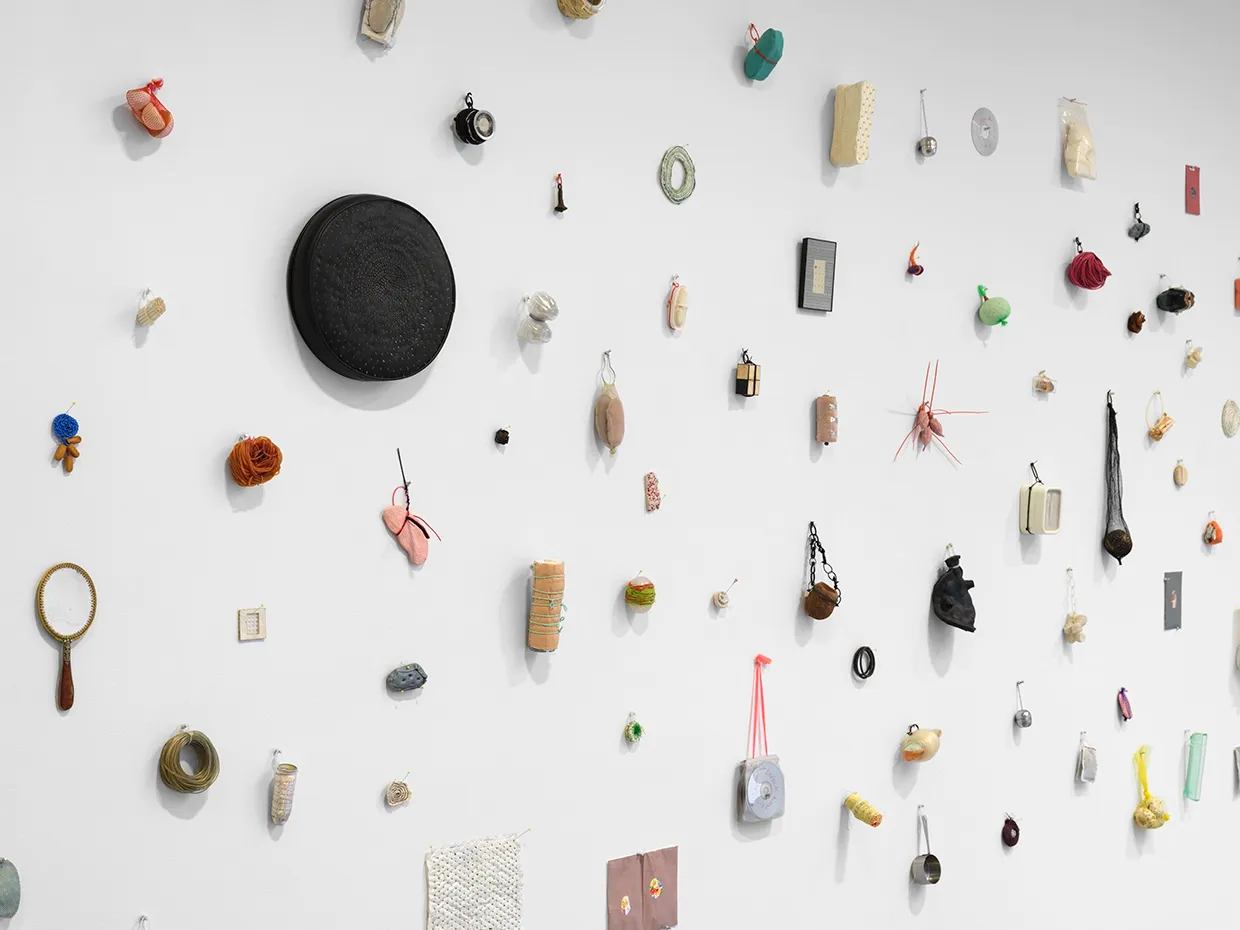
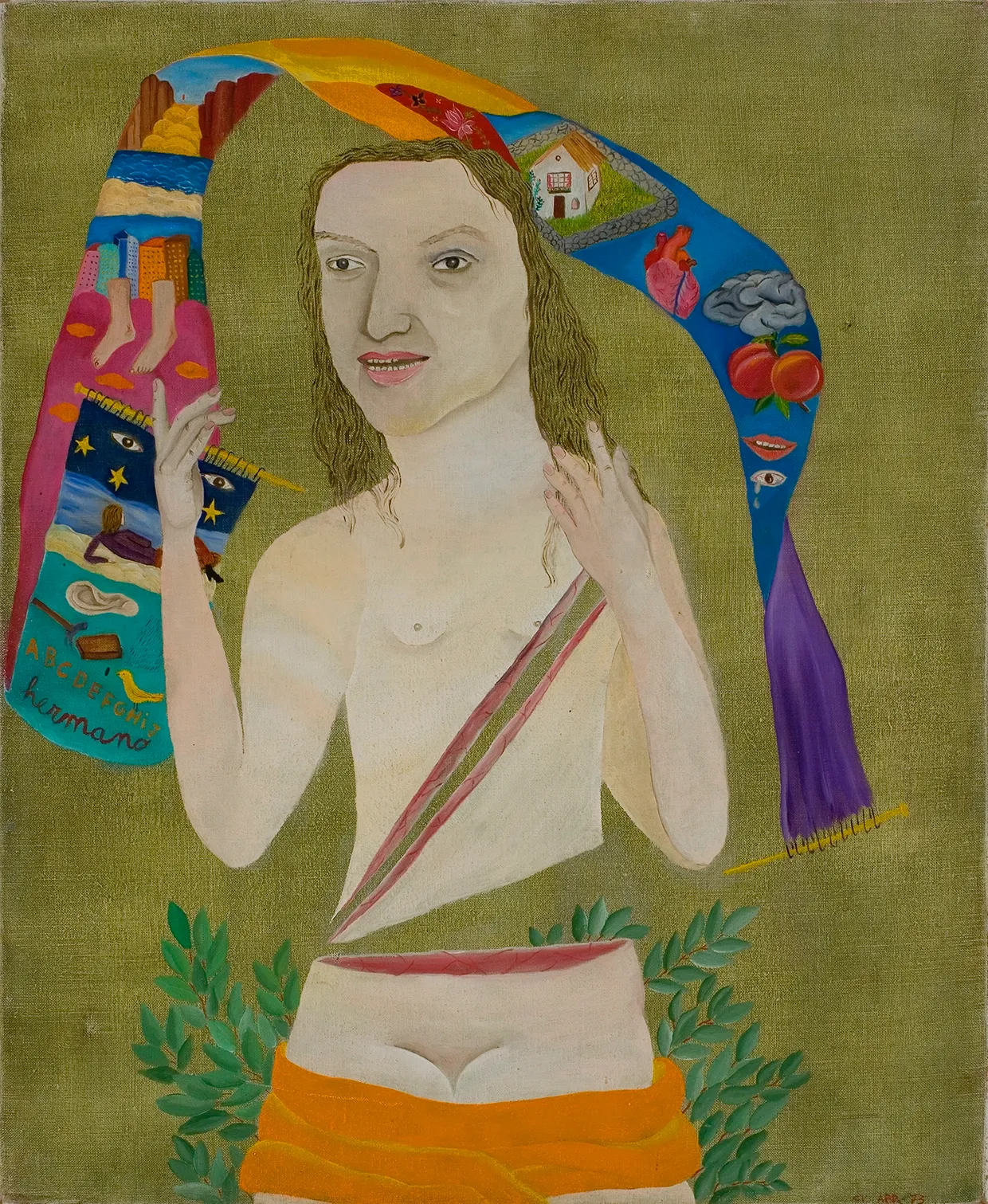
Further exhibitions, including by Chilean poet Cecilia Vicuña and influential 20th-century Egyptian artist Inji Efflatoun, will be on display later in the year.
The gallery has also planned a number of unique events to mark this important milestone. A summer party will take over the gallery building at 77–82 Whitechapel High Street later in the year.
Art Futures — a series of talks supported by Terra Foundation for American Art — will see speakers from around the world discuss the role of arts institutions like the gallery in the modern world, particularly during times of crisis.
Meanwhile Whitechapel Gallery Young Associates, a new mentoring programme launching in the spring, will be open to talented young people in the area aged 18 to 30.
Beyond the gallery, a collaborative cross-venue arts festival, Backyard Biennial, will celebrate the cultural history and identity of London’s East End this summer.
The gallery’s director, Gilane Tawadros, said: “It is an honour and a privilege to be leading Whitechapel Gallery at this moment in time. It holds such a unique and important position as a place of artistic experimentation and radical thinking, bridging the local and the global.
“Our 125th anniversary comes at a particularly significant moment in the wider cultural, socio-political and economic landscape. In the face of such widespread division and uncertainty, it seems more important than ever to continue our legacy as a place of connection and principle, reaffirming our founding commitment to our local community while ensuring our ongoing relevance and influence around the world.
“We have always been, and always will be, artist and ideas led, ensuring that we represent urgent and diverse perspectives that offer audiences new ways of thinking, feeling and dreaming.”
Whitechapel Gallery is located at 77–82 Whitechapel High Street. Find out more here.
This article was amended on 5 January at 10.33 to add more background information about the gallery and additional images.


![Park Theatre's 'Whodunnit [Unrehearsed]' is back with major celebrity line-up](/content/images/size/w960/format/webp/2026/03/Ian-McKellen-1.webp)
