

For decades, neighbourhoods in central and north-west London topped the wishlists of the capital’s house-hunters.
Prim and proper Kensington, alternative Camden and the celebrity haunts of Hampstead, Primrose Hill and Islington were among the most desirable, while for professionals, creatives and first-time buyers, east London remained a (much) more affordable second thought.
That all changed in 2005 with the announcement of the 2012 Olympics. A major regeneration project kicked off in Stratford in the subsequent years, ushering in the creation of tens of thousands of new homes and state-of-the-art sports facilities, and the opening of the east end’s very own Westfield in 2011.
Nathan Khider runs Nathan K Real Estate, which specialises in unique and luxury properties across north and east London. He said it was around this time that interest in the east end - and Hackney in particular - began to pick up.
At the same time, young families priced out of zone one were looking for their next move. Suddenly, Hackney was more desirable than ever.
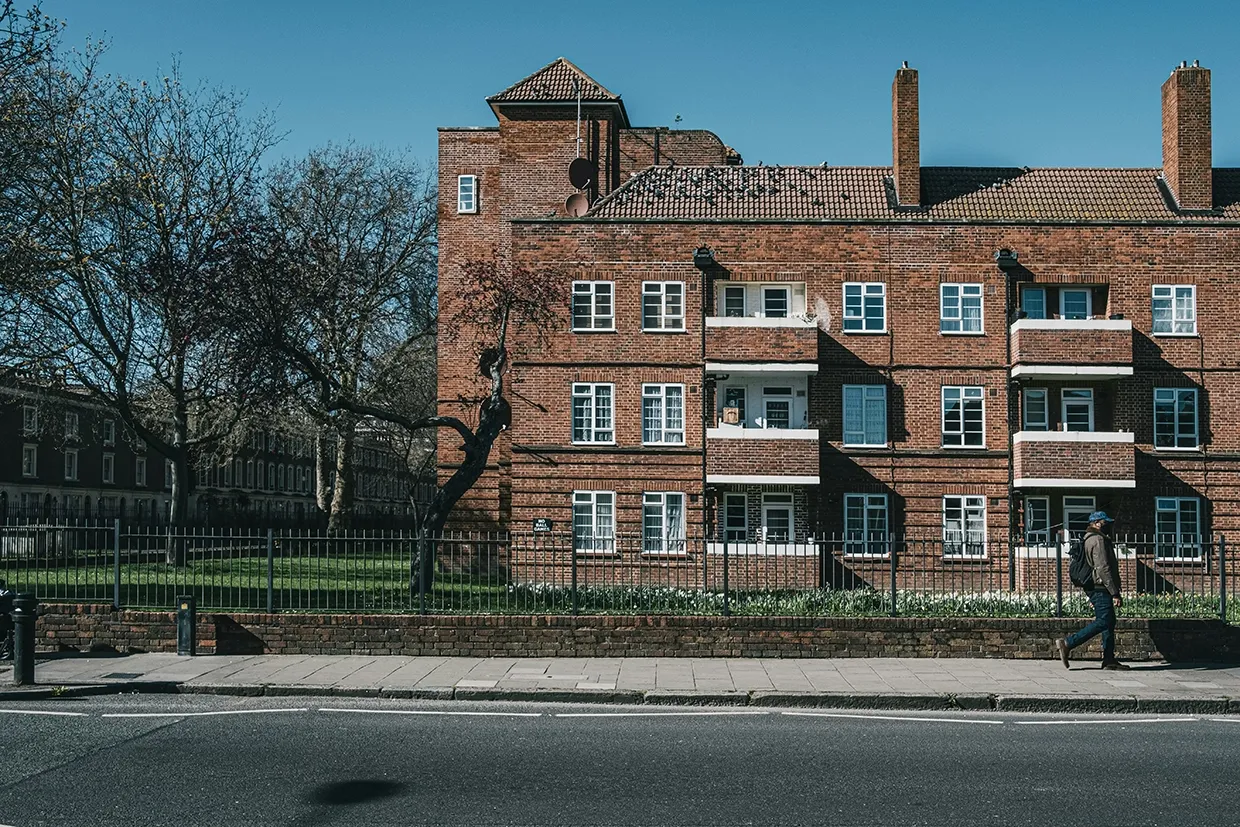
“People used to go from Islington to Stoke Newington, then it was from Stoke Newington going east towards Clapton, Hackney Central, Mare Street, and now places like Bow,” he told East End Review. “They’re all areas that have seen great growth,
“I think [prices] increased over 100% from 2011 to 2021. It was substantial growth.”
The influx of young families and professionals brought with it rapid gentrification and surging house prices, and the tide began to turn.
Data from the Land Registry shows the average property price in Hackney has increased from £240,326 in December 2005 to £627,538 in October of this year. A period of particularly rapid growth between March 2012 and March 2016 saw prices rise 83 per cent.
Over time, the creatives and young professionals who once flocked to Hackney - and the boroughs more established residents - began to be priced out.
“[The cost] has pushed a lot of people out, or it’s become unaffordable for people to move into Hackney,” Khider continued.
“I have noticed a lot more people saying, ‘We can’t afford to live in Hackney,’ whereas 15 years ago it was a really affordable place, [it was] up and coming, trendy, young.”
So where are people moving now? “Normally you’d expect a natural growth going north,” Khider told us. “But then you’ve got Walthamstow, which has also become really expensive.”
Instead, the estate agent said people are moving east and southeast towards Mile End, Canning Town, Stratford and Plaistow.
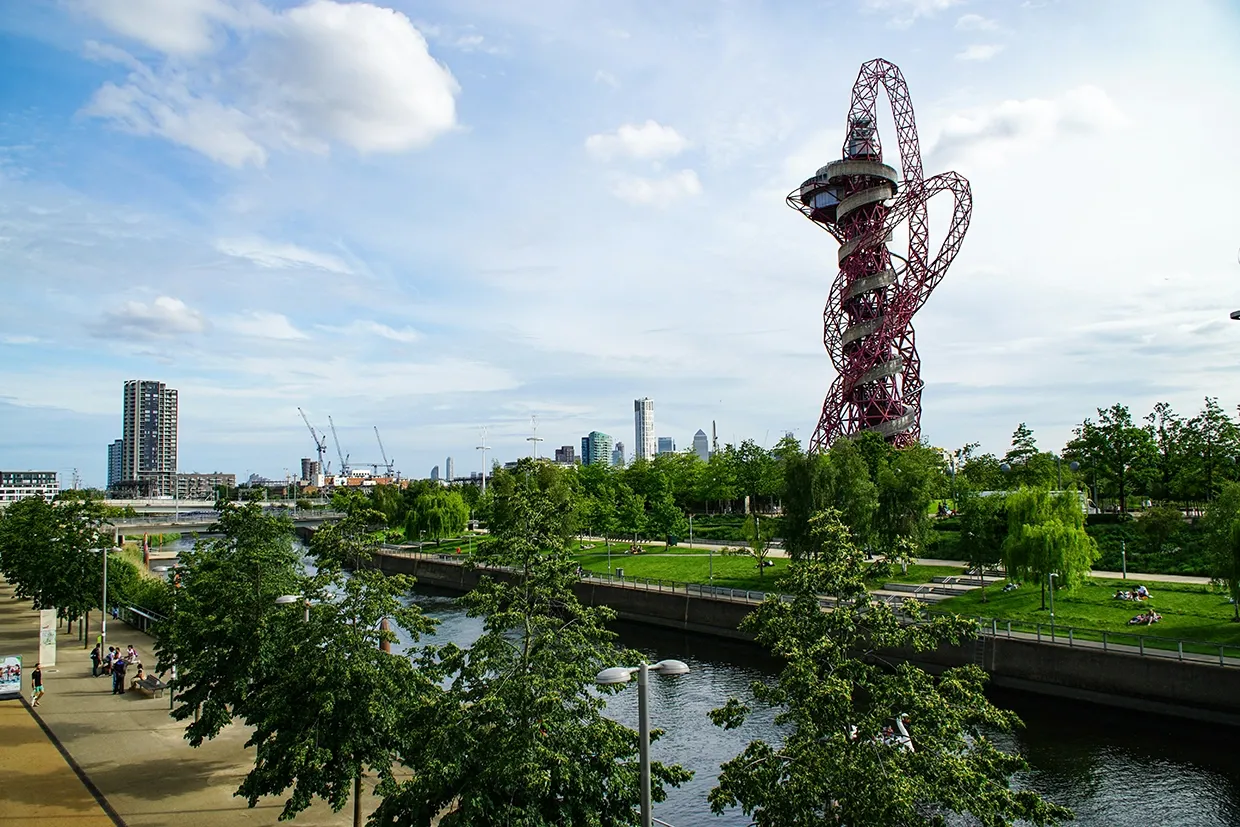
“It’s where people are finding better value for money,” he said. “They’re still well connected and they’re not a million miles away [from Hackney].”
Land Registry data reflects this. While the average Tower Hamlets property was marginally more expensive than its counterpart in Hackney in December 2005 at £256,384, in October 2025 it would have been £150,000 cheaper.
The average property in Newham is now more than £200,000 cheaper than across the borough’s western border.
And it’s not just price driving this move eastwards. Khider added house-hunters looking for the “vibe” which drew young people to Hackney 20 years ago might now have more luck finding it in Tower Hamlets or Newham.
“Hackney had a really nice, raw energy to it, and I believe that is beginning to change a little bit,” he said.
“If you go to Commercial Road, it’s still got that edge to it that Hackney used to have 20 years ago.”
The likes of Mile End Art Pavilion, which opened in 2000, and East Bank -Stratford's new cultural quarter - are proving a draw for today's young culture vultures.
Venues like the Stratford East theatre and Genesis Cinema in Stepney Green, plus an array of pubs, restaurants and shops, give residents plenty of ways to while away the evening hours.
But Hackney’s popularity is certainly not waning. Khider said prices are unlikely to come down any time soon - although the ‘crazy’ rate of growth has already begun to slow.
“There’s not going to be a crash,” he told us. “The growth might not be as fast - over the last few years, [prices have] increased by about one and a half to two per cent, in line with other popular areas. It’s had a steady, sensible, realistic growth over the last four to five years.
“I can’t imagine it coming down in value by 10 to 15 per cent. You might lose a per cent a year, but In the long run, you will consistently see the prices increase in Hackney.
“It’s got some lovely outside spaces, the schools are getting better, it’s well connected - so it’s never going to crash.”


