

“I want to speak candidly about love, about loss, about mental health, and cover all the facets of what it is to be a young person today”, Dan Whitlam told me backstage at his album launch on Friday (13 February).
Four years after releasing his first single, the acclaimed poet and rapper launched his debut full-length project, Strangers (Again), at a sold-out event at Rough Trade East.
Fusing a deep-pitched, poetic rap style with hip-hop-inspired beats, Whitlam is a breath of fresh air, with a raw, emotional lyricism that is unusual for a young male artist.
“I started writing poems when I was 18”, Whitlam told East End Review. “The first poem I wrote was a true story about how I got stabbed twice in the back in a gang attack in Islington when I was 16.
“I wrote this poem about me getting stabbed, and then it resets as the boy who stabbed me. It got taken on by BBC Radio 4, and I fell in love with the audio world. I started writing more and putting things out online, and then setting it to beats”.
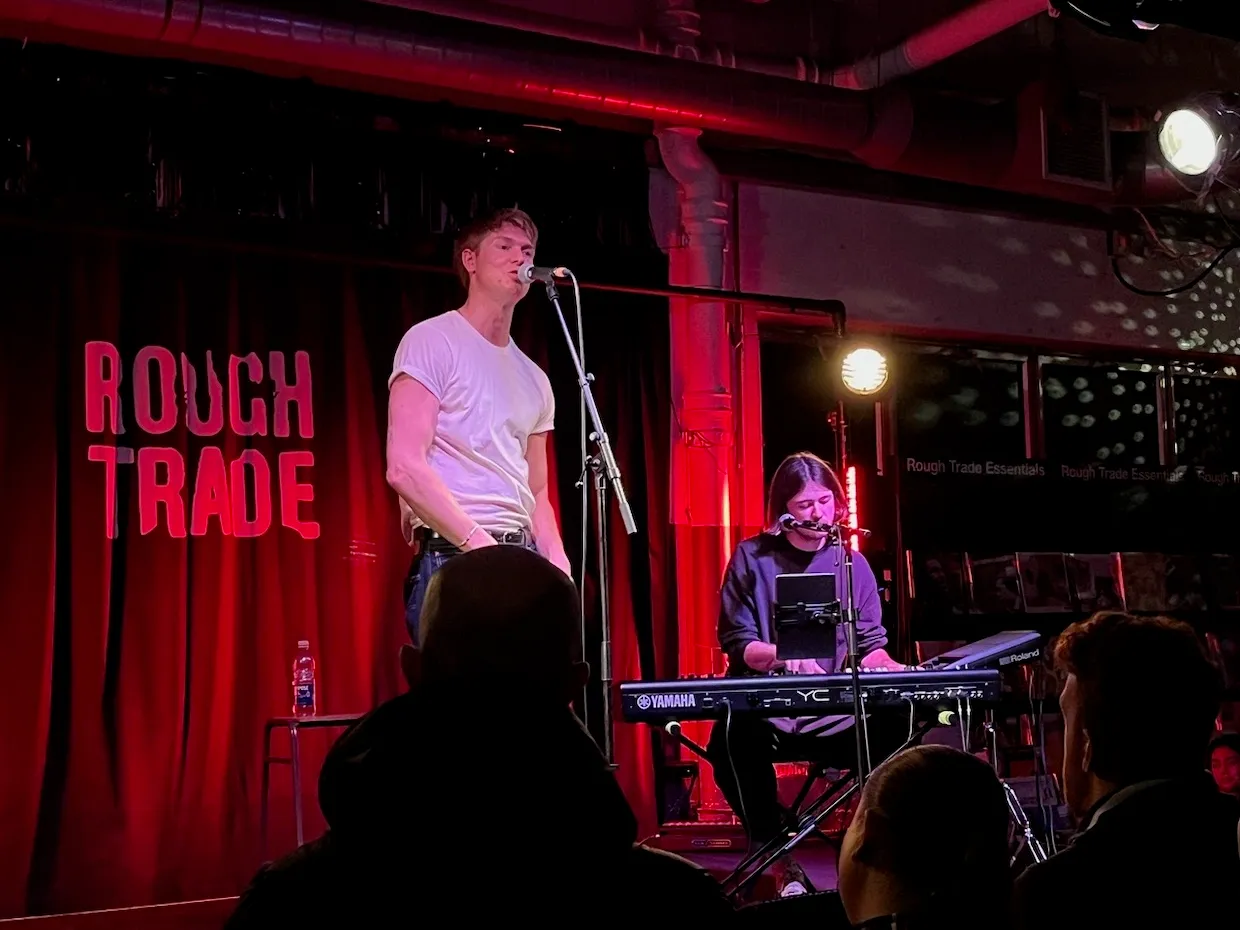
Taking to the stage wearing a plain white t-shirt and jeans, Whitlam presented himself the same way he conveys his feelings through poetry - unambiguously and honestly.
“For a long time I feared being vulnerable”, he continued. “I went to a school where it was against the grain to speak out and show your vulnerability. You had to be what a lot of people think being masculine is.
"But through listening to people, I respect [vulnerability], I wanted to speak candidly about what it is to be a young person.”
It is as a young man and to young people that Whitlam wants to speak through his lyrics. He describes them as a “lost generation”, weighed down by the incessant pressures and rapid changes of modern life.
Whitlam has his own concept of masculinity, one that allows open dialogue about the emotional struggles of early adulthood. Throughout the album, he continually draws on themes of young love, relationships, and loss, encouraging people - and particularly young men - to openly discuss their emotions, rather than bottling them up.
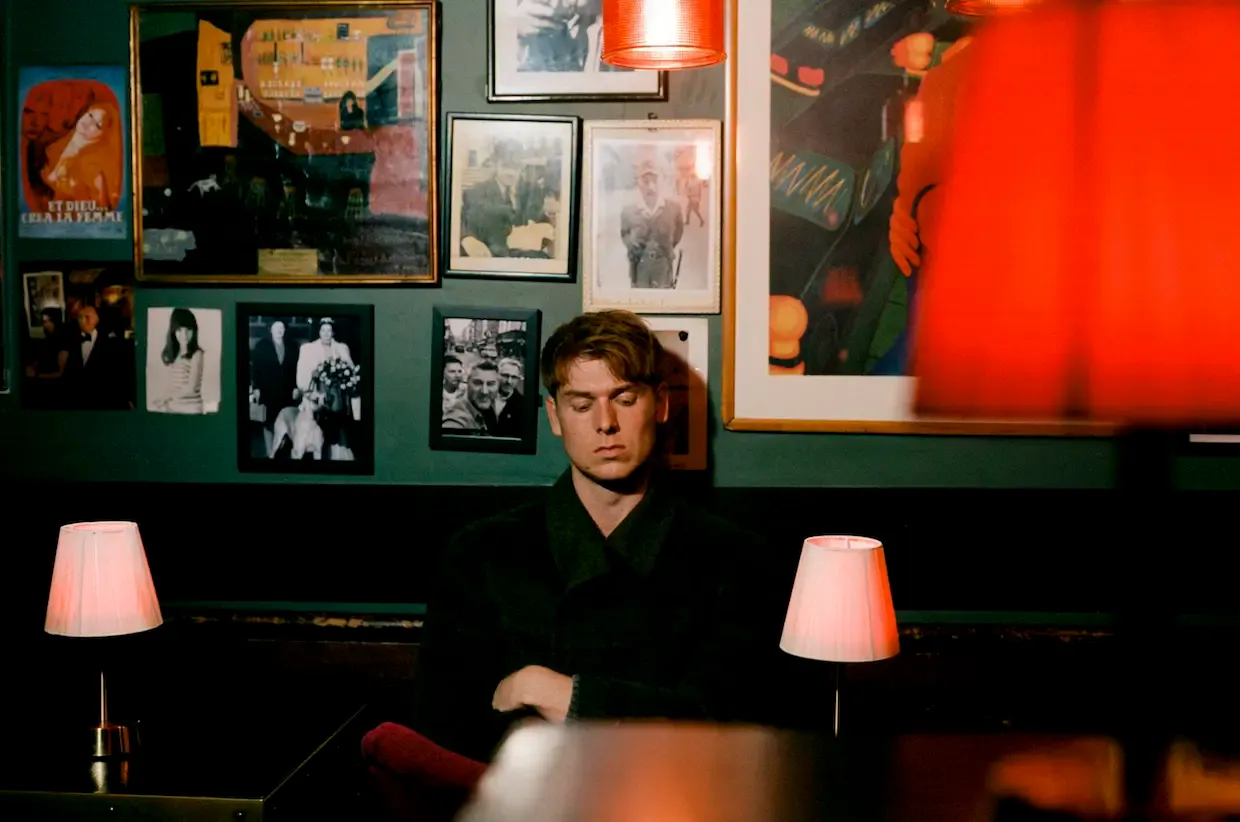
Addressing the audience between songs, he made a simple plea: “Talk to your friends”.
Whitlam couldn’t contain his excitement at the release of Strangers (Again). He said: “It’s always been a dream of mine to create something that’s quite tangible. I wanted to put a mark down with an album, it made sense.
"We’ve released a lot of singles, but I really wanted to tell a story, so Strangers (Again) came out of wanting to create some clarity and a need to speak”.
Whitlam draws inspiration from a range of genres, having been exposed to a plethora of different musicians from a young age. “My mum died when I was quite little so I grew up with just my dad”, he added.
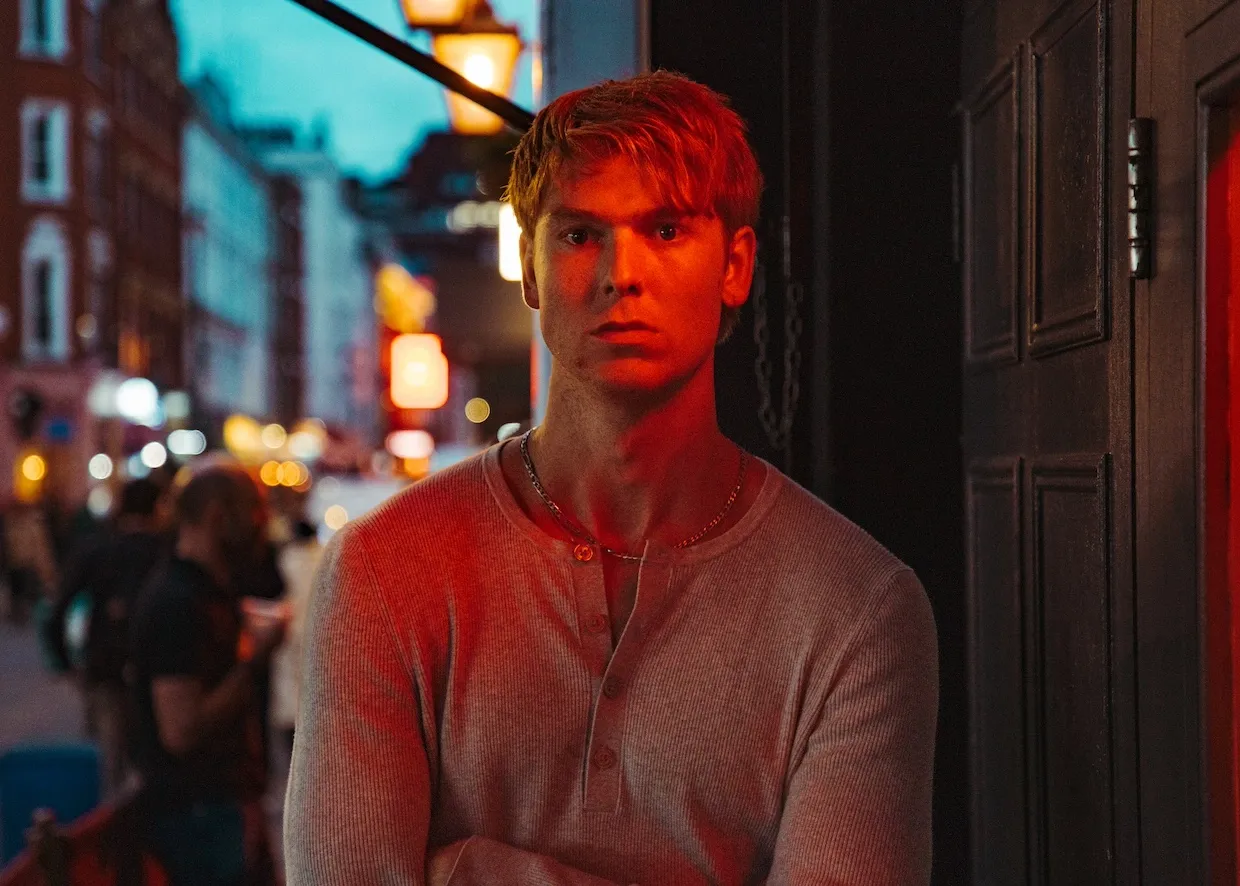
“He’s always been a bit of a singer-songwriter at heart, so I grew up with influences at his end: Billy Joel, Elton John, R.E.M., Genesis, Pink Floyd. A proper mix, but with very brilliant lyrics at the core of all of them.
“And I got so inspired by the poetry and rap of pioneers like Loyle Carner, Kofi Stone, Frankie Stew and Harvey Gunn, and Little Simz. I had those two houses and this is the weird product”.
Whitlam first started gaining traction as an artist on TikTok and now boasts 160,000 monthly listeners on Spotify. He can still hardly believe the trajectory of his success since penning that first poem all those years ago.
“It has been amazing”, he added. “The power of hard work and social media - you can do something and it can just go.
“I’ve been really fortunate that I’ve found people who like to listen to my music and enjoy what I do. I’m really lucky to say it’s my full-time job and career”.
Whitlam was also keen to recognise the work his team and collaborators put into the album. These included artists such as Raphaella, Tamzene, Jordan Mackampa, Ellysse Mason, Fractures, and SAPPHIRE.
He added: “When you find like-minded people, it doesn’t feel like work. It just feels easy. I’m very lucky to have met the people that I have”.
Whitlam’s emotional candour and elegant verse was more than enough to grip the crowd at his album launch. In fact, he received the most undivided attention - followed by the most rapturous applause - when the music was stripped back and his poetry could take the limelight.
It was in these quiet moments that Whitlam really shone, a poet unafraid to wear his heart on his sleeve.


