

I caught up with Poornima Kirloskar-Saini in the midst of her preparations for Kundakala's stall at the Hay's Galleria market in London Bridge.
“It’s a bit manic,” she told me. “It’s very stressful, with our ladies, you have to coordinate everything. But we’ll manage.”
The ladies in question are some of the graduates of Kundakala’s sewing courses who have gone on to make a living from their craft. They now form the Kundakala Collective, a group of around 17 members who have all completed Kundakala’s two programmes.
Now, their work will be on display - right in the line of sight of swathes of last-minute Christmas shoppers.
“It’s good exposure for our participants, because they get to meet members of the public and it’s very heartwarming when someone likes a product that they’ve made.” Kirloskar-Saini added.
Kundakala provides training to women from ethnic minority and low-income backgrounds, teaching them the skills they need to turn sewing into a sustainable career and become financially independent. Founded by Kirloskar-Saini in Hackney in the wake of the pandemic, it now reaches participants from all over London.
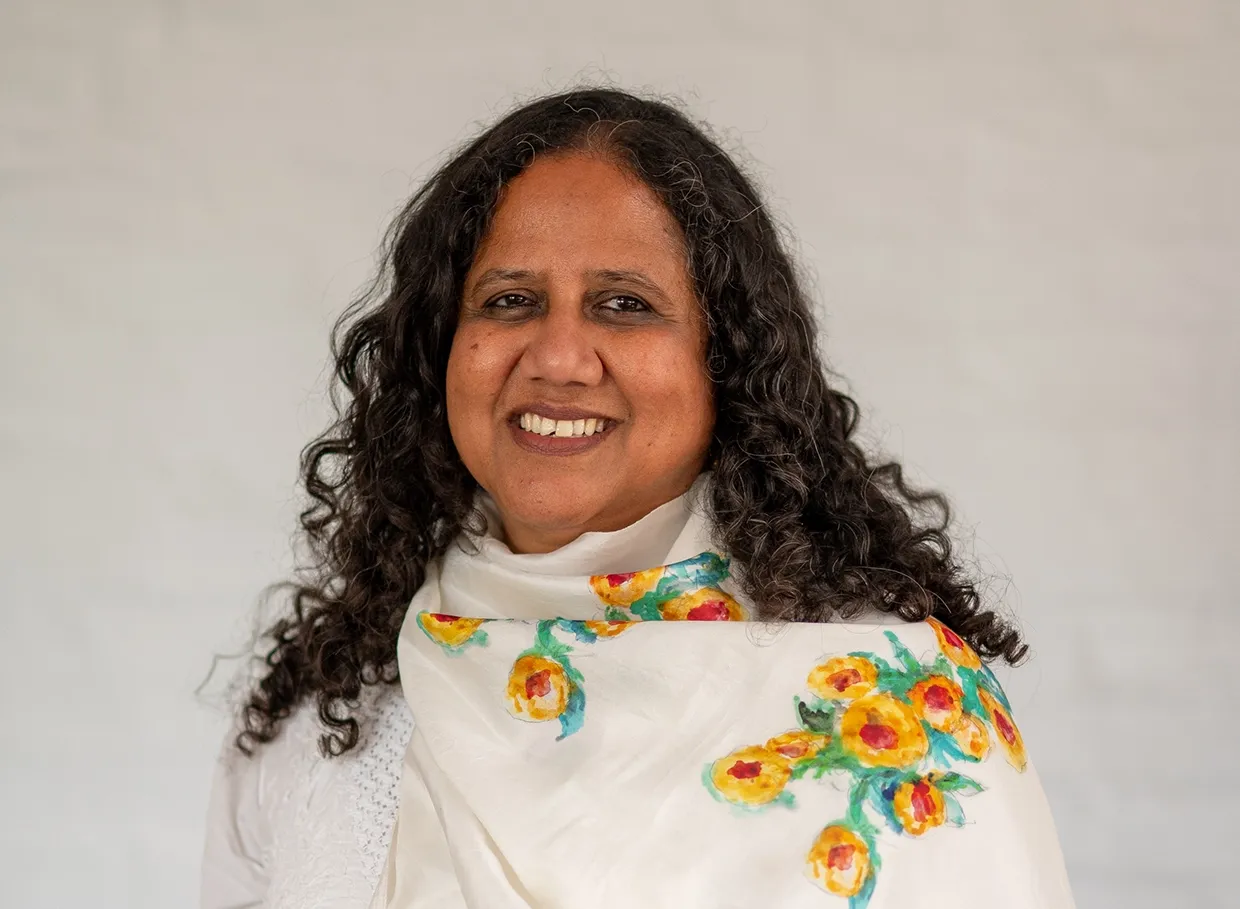
For Kirloskar-Saini, the sewing itself comes second. Her goal was to find a way to help vulnerable women to make a living.
The organisation was also a way of honouring her late mother, who passed away shortly before Kundakala was founded. “She was a very feisty feminist,” Kirloskar-Saini told me. “I’m one of three daughters. We were treated like men. Both my parents didn’t stop us from doing anything because we were women, and I wanted to pass that on.”
Many of the women Kirloskar-Saini works with live in traditional family units. It is also common for their husbands - typically the breadwinners - to work in the gig economy, which suffered during the pandemic. “It was accepted that there would be a struggle for food because there was no income,” she said.
“In certain ethnic minority backgrounds, there are very fixed roles in the family. So the men go out to work, and the women look after the children and older members of the family.
“Rather than going out and directly looking for work, when there was none - and also, sometimes, there could be cultural considerations that look down upon women going out to work - I thought initially it would be good to think of supporting them with a skill [they can practice from home].”
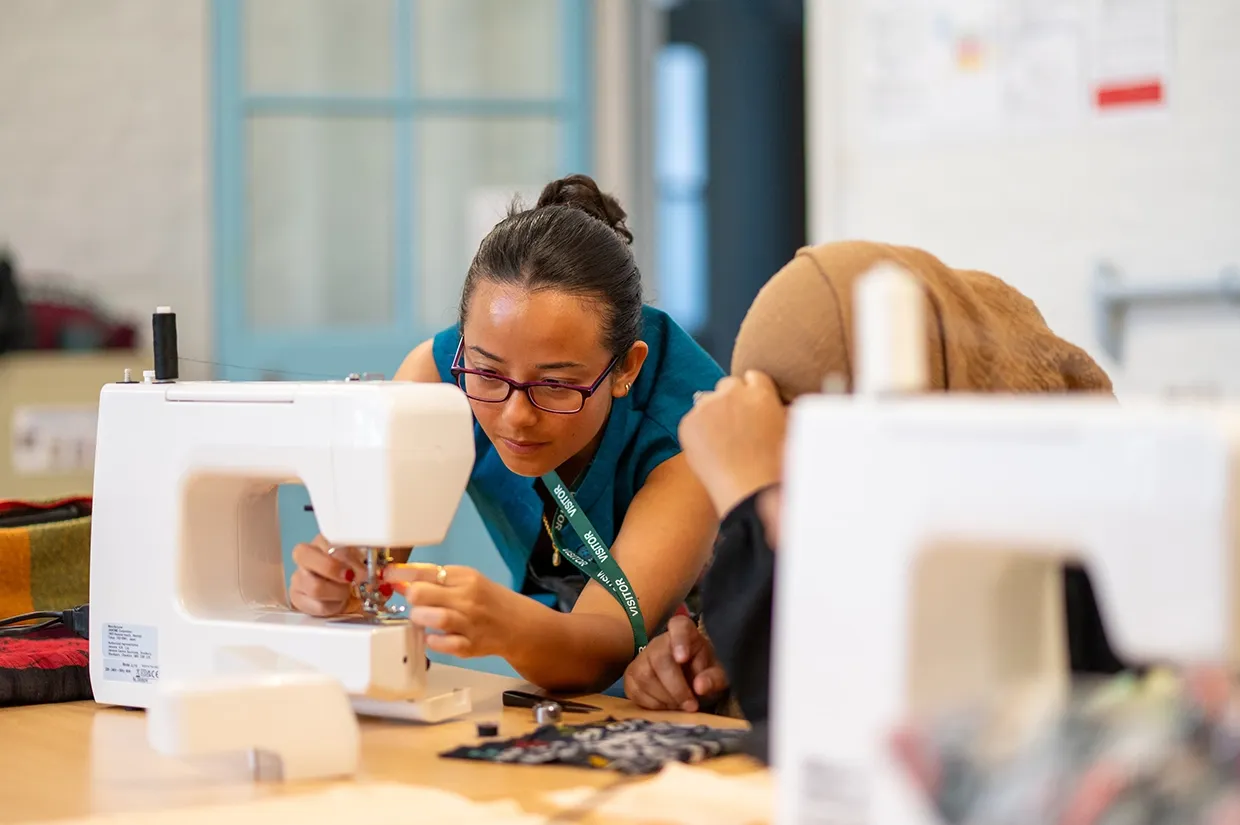
In 2021, Kirloskar-Saini self-funded a three-day pilot workshop. “It was a success,” she said. “What came out of this workshop is that three days is too short.”
From the pilot, a six-month programme teaching sewing skills was born. “We’d teach them to make various small things to begin with,” she said. “At the end, they’d make a garment for themselves.”
Today, Kirloskar-Saini estimates around 190 women have completed the first programme, Make & Mend. A second course, for graduates of the first, teaches advanced alterations and upcycling.
Once this is completed, participants can become part of the collective. They attend repair events or work with employers in groups, providing alterations and splitting their profits.
“That’s how they start to make money, but they also start to get clients this way,” Kirloskar-Saini explained.
Some of the women have gone on to launch their own businesses. One is Maggie, who started making reversible tote bags out of Ghanaian Kente fabric and unwanted saris in the alterations and upcycling class. “She used to go to church carrying her bag, and people really liked it,” Kirloskar-Saini recalled.
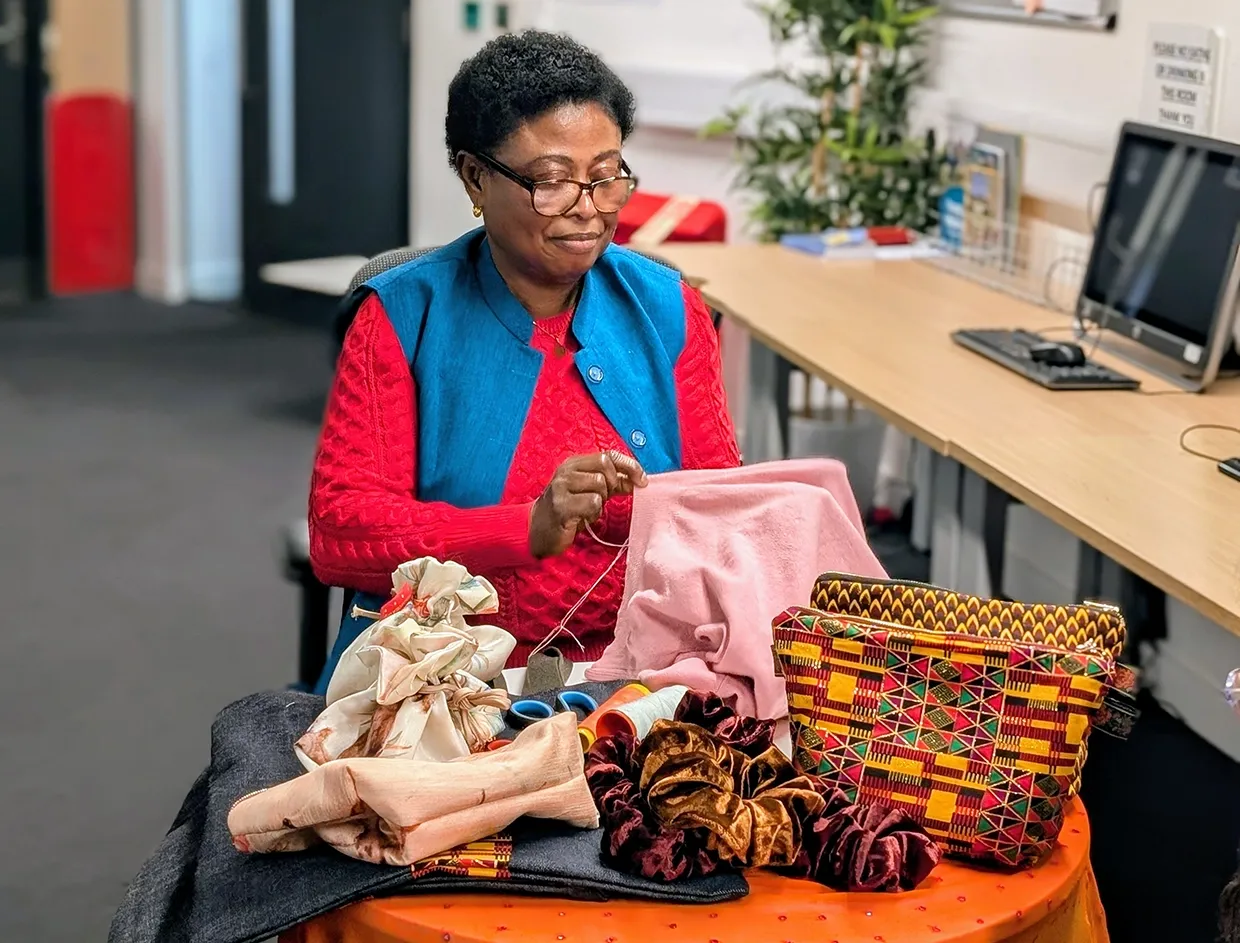
For Christmas one year, Maggie gave the elders at her church 10 bags, and other members of the congregation began to enquire.
“Long story short, she’s now in business,” she added. Maggie now sells the bags to church-goers for weddings or other occasions, and even sells the bags from a shop.
But the women don’t just leave Kundakala with business prospects. Many leave with a new-found confidence - some even go onto further education for the first time after completing the programmes.
“This is a big thing for us,” said Kirloskar-Saini. “We’ve taken women, most of whom are very new to formal learning, and we’ve given them these skills.
“But then we’re also demystifying further education for them. Some go on to do fashion and design, which we’re really happy about.”
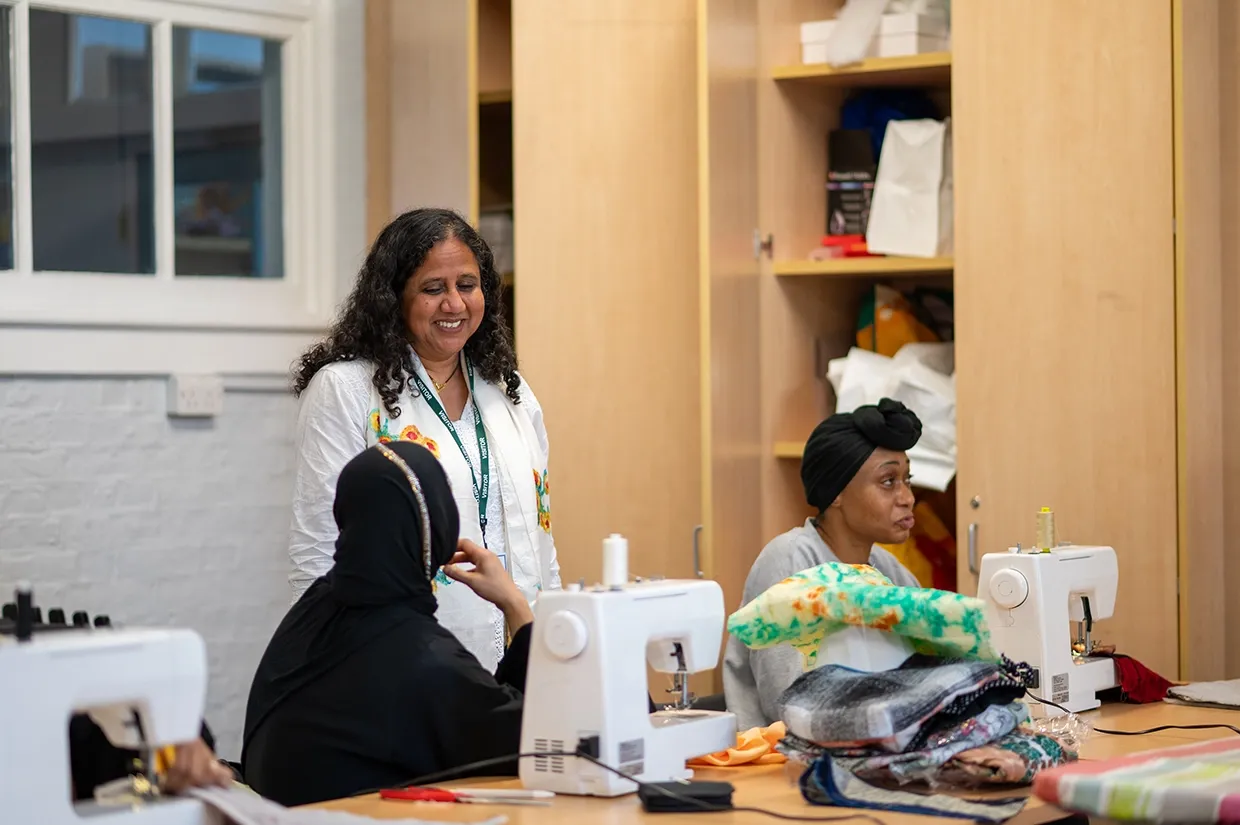
For Sara*, attending the class was life-changing. She hadn’t left the house on her own since relocating to the UK from Pakistan as a teenager.
“The family expectations are that she stays at home and cooks, and she’s not to be seen in public. But now she’s got grown-up children,” Kirloskar-Saini explained.
“She’s one of our best alteration specialists, because she really looks at a garment and understands its construction. It’s just an intuitive thing that she has.”
Over time, the course has emboldened her to leave the house and attend alteration events, either accompanied by her daughter or, more recently, by herself. “She’s now slowly building in confidence,” Kirloskar-Saini said.
It’s been a busy time for Kundakala, which earlier this year won the Mayor of London Outreach and Engagement of Adults into Learning Award at the 2025 Mayor of London Adult Learning Awards, recognising individuals and organisations committed to facilitating adult learning.
“For us, that’s what we set out to do. I realised that a lot of ethnic minorities don’t trust mainstream provision,” Kirloskar-Saini “One of the reasons which could be the case is because there’s a fear that a mainstream provision would westernise an ethnic minority person and make them lose their culture
“In some cases there is some basis to that, in the sense that mainstream provision is sometimes one size fits all, that’s the only way it can be affordable.
“When I started Kundakala, that was the first thing that I wanted to change. I wanted ethnic minority people to trust Kundakala, to trust that we wouldn’t let participants forget their cultural identity. We’ve managed to do that.”
*Name has been changed.


