

With current international exhibitions like V&A East’s The Music Is Black and MoMA’s Ideas of Africa: Portraiture and Political Imagination spotlighting Black identity and cultural histories, the Barbican builds on this momentum with Project a Black Planet, a major season exploring the influence of Pan-Africanism on contemporary arts and culture.
From June to September, over thirty events unfold across the centre, spanning exhibition, cinema, music, performance and more, celebrating legacies from Creole culture in Cape Verde and Black Rights in the USA, to the liberation philosophies of reggae and dub rooted in the Caribbean and the resurgence of Black Lives Matter in the UK.
At its core, Pan-Africanism is explored as something living and evolving, moving between continents, generations and artforms, bringing together cultural and political ideas.
For the Barbican team, it is a particularly pertinent moment to present the season: “The project grew out of a desire to explore these global histories and futures in an expansive way, bolstered by our unique position as a truly cross-arts centre. It feels especially resonant now as conversations around identity, migration and global solidarity continue to shape our world, offering a way to engage with these ideas and open up space for thinking about our shared futures.”
Project a Black Planet kicks off with a specially commissioned immersive audio collaboration between the late reggae and dub pioneer Lee “Scratch” Perry and electronic duo Mouse on Mars. “The opportunity to incorporate some of the last recordings that Lee “Scratch” Perry made was too good to miss – he's certainly a dub legend… you could argue that he was a visionary poet as much as he was a pioneering producer”, says Chris Sharp, contemporary music programmer at the Barbican.
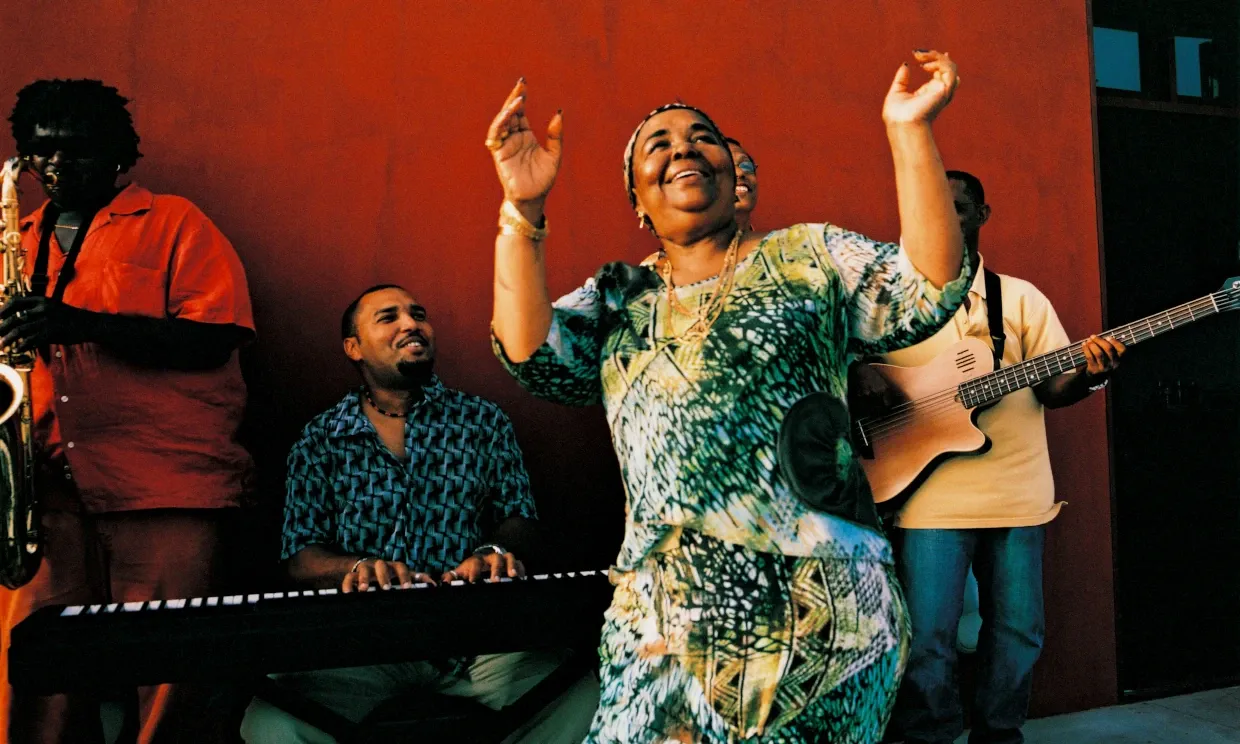
The series continues with performances from visionary bassist Meshell Ndegeocello, who presents a tribute inspired by civil rights activist James Baldwin; pianist Pat Thomas and Pulitzer Prize–winning composer Tyshawn Sorey perform an improvised Afrofuturist jazz set, while the Cesária Évora Orchestra with Mayra Andrade celebrate the late Cabo Verdean singer’s legacy and morna. Congolese artist Sammy Baloji brings together music and art to explore Congo’s history, and Africa Oyé x Barbican features performances by Patoranking, Ghorwane and Kizaba, each showcasing contemporary African sounds.
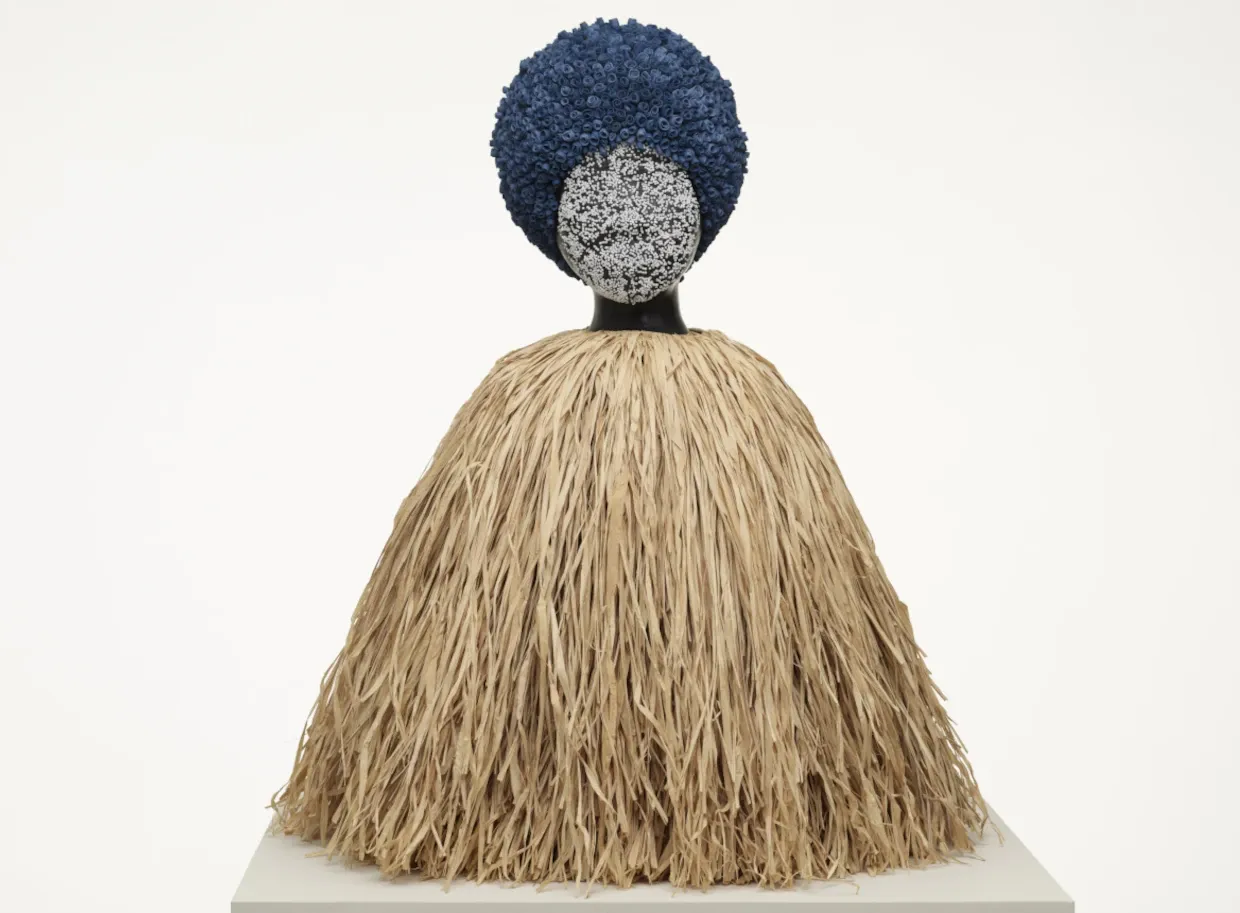
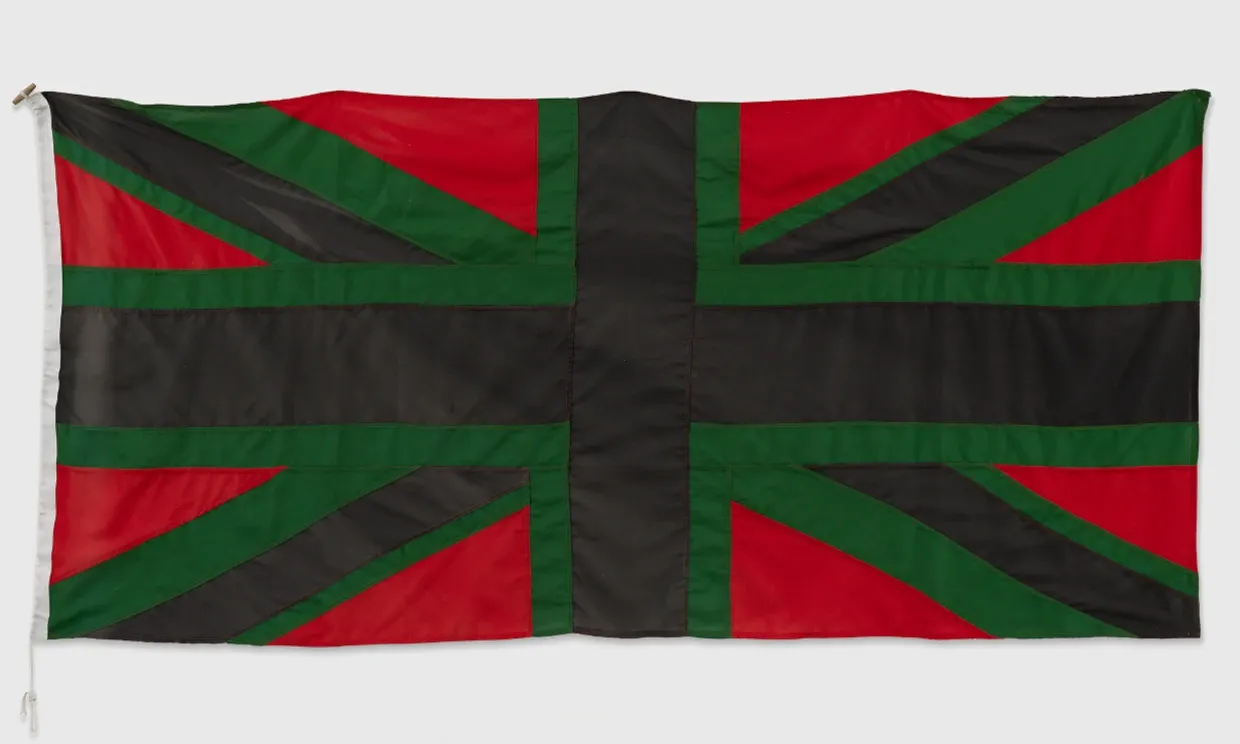
At the heart of the season is Project a Black Planet: The Art and Culture of Panafrica, a multi‑site exhibition that showcases over 300 works from Africa, the Caribbean, Brazil and beyond. Highlights include David Hammons’ African-American Flag (1990) and Chris Ofili’s Union Black (2003), both reworking the Pan-African flag, alongside Simone Leigh’s striking sculpture Dunham (2017), a tribute to dancer-choreographer Katherine Dunham. Also featured are works by Marlene Dumas, Inji Efflatoun, Ingrid Pollard and Claudette Johnson.
Curators Raúl Muñoz de la Vega and Elvira Dyangani Ose stress the importance of a lineage of landmark projects engaging with modern and contemporary art of Africa and its diasporas, from The Short Century to the Àsìkò project initiated by the late curator Bisi Silva. “Acknowledging these histories felt essential,” they note. Garveyism, Négritude and Quilombismo - three key Black liberation movements - are explored, not as fixed ideas, but as “dynamic exchanges of ideas across disciplines and geographies”, opening up speculation on Pan-Africanism today.
“The works that feel most urgent today are those engaging with LGBTQ+ experience and with the lives of women, stories that have too often been relegated to the margins of Pan-African history. In a cultural moment where these voices face renewed pressure and erasure, bringing them to the surface feels not only relevant but necessary”, explain the curators.
“Equally central are works that embody a progressive, leftist, Pan-Humanist perspective, artworks and objects that insist on solidarity across borders. Pan-Africanism has in key moments carried a vision of shared humanity that transcends colonial divisions, and these works speak directly to that tradition.”
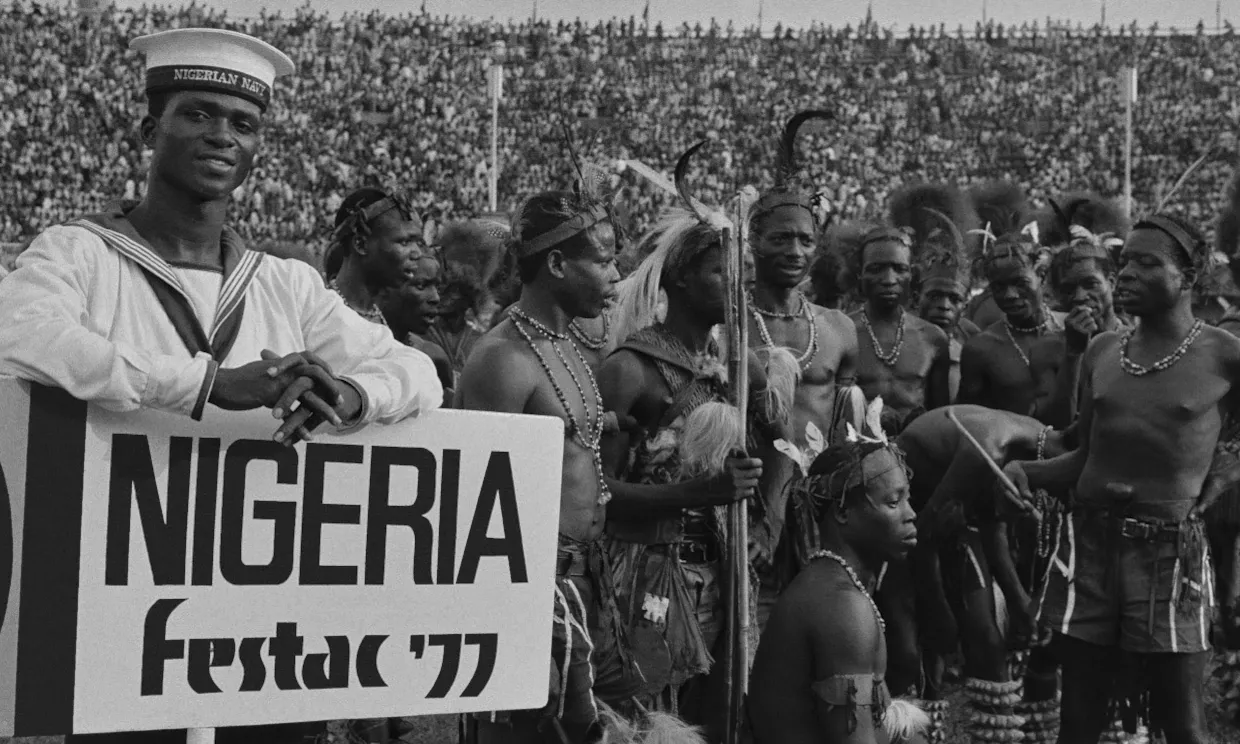
The film programme charts the circulation of Pan-African ideas across the long twentieth century and into the present, presenting milestone works, rare archival material and contemporary moving-image practice. “We’re showcasing films from across the globe, including spaces maybe less frequently seen in cinemas such as Guyana, Guinea-Bissau, and Mozambique, which allows us to foster conversations between different nations and communities”, says cinema curator Matthew Barrington.
A significant thread in the selection is the way filmmakers use the camera to engage with political realities, with many works exploring themes of protest, resistance and revolution. “A key example is Mueda, Memória e Massacre by Portuguese-Brazilian filmmaker Ruy Guerra”, says Barrington. “The film documents a surreal annual performance in a village in Mozambique that commemorates a historical uprising against Portuguese colonial rule. It’s both a powerful act of remembrance and a way of passing that history on to younger generations.”
Intergenerational conversations are highlighted, with contemporary filmmakers such as Rhea Storr, Hope Strickland and Onyeka Igwe placed alongside earlier figures including Sarah Maldoror, Sara Gómez and Djibril Diop Mambéty. “Even for viewers who may already be familiar with some of these films, they’ll be presented in new constellations”, Barrington says. “We hope this creates fresh contexts that spark new ideas and offer different ways of engaging with these important artists.”
Karena Johnson, head of creative collaboration, reflects: “This season sits within a broader, ongoing commitment to supporting artists and communities through commissioning, partnerships and long-term relationships. Across all our artforms, we aim to platform a wide range of underrepresented voices.”
She continues: “Representation has been a central consideration throughout. We’ve worked closely with artists, curators and collaborators whose practices are rooted in decolonial practice or critically engaged with the history of Pan-African thought, ensuring the programme is shaped by a plurality of voices rather than a single institutional perspective. That has meant prioritising collaboration and dialogue, as well as being mindful of context – how and where work is presented, and who it speaks to.”
Project a Black Planet: A Season
5 June - 6 September 2026
Barbican Centre
Silk Street
EC2Y 8DS


