

For many, having a clown wandering into your office might be a nightmare, or a trapeze artist swinging over your head a touch distracting.
But Lucy Price, head of public programming at the National Centre for Circus Arts has seen it all. “You don't know what it's like to work here until you've worked a full academic year”, she laughs over the phone.
Based in Hoxton, the National Centre is one of the UK’s leading institutions for contemporary circus training. It began life in 1989 as Circus Space and moved into its current home - a former electricity-generating station - in 1994. The organisation gained national status in 2013, becoming the National Centre for Circus Arts.
Lucy oversees the centre’s extensive recreational programme, which runs alongside its accredited professional training. “Evening and weekend classes for adults and children”, Lucy lists “a wide range of circus disciplines from aerial to acrobatics, flying trapeze. You name it, we probably do it.”
Inside the National Centre for Circus Arts. Video: YouTube/National Centre for Circus Arts
For Lucy, the National Centre is “first and foremost [a] charity”, explaining that any surplus from recreational or commercial activity is funnelled back into subsiding their University of Kent-validated BA degree and outreach work.
'Finding a home in the circus'
A core part of the centre’s mission is outreach. Their learning and participation team runs London Youth Circus, a progressive programme supporting teenagers. As she notes, “Lots of them come from disadvantaged backgrounds… and they can end up finding, yeah, finding a home in the circus.”
“We have a very high portion of children with special educational needs… they can really flourish in circus… it’s a really great way of building core confidence.” Something I’m sure very few of us have too much of.
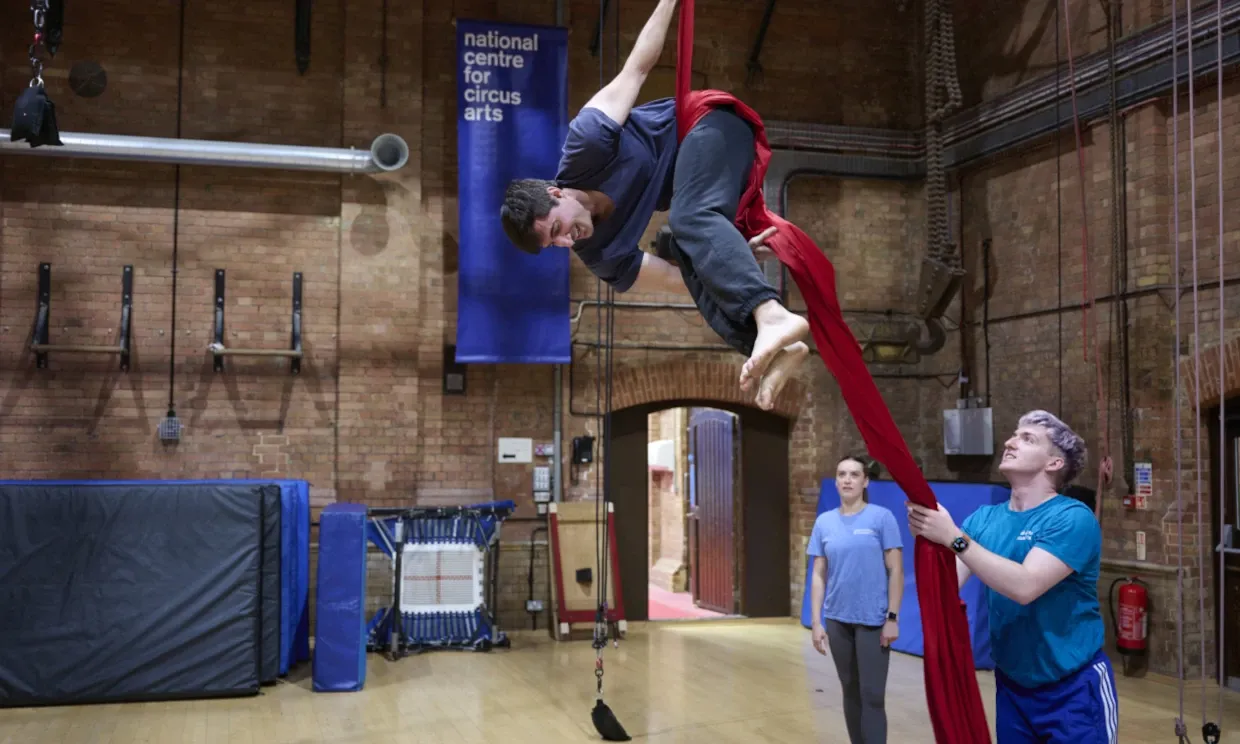
The National Centre for Circus Arts operates a delicate tightrope walk (surely their expertise) between charitable purpose and commercial necessity. Since losing their Arts Council National Portfolio status and its funding in 2023, Lucy says “It’s been really, really important for us to diversify our commercial streams.”
One key income source is the centre’s corporate arm, Shoreditch Electric, which hires out the building for events. Balancing space between training, public classes, and hires is difficult. “Every time we bring in a hire, it’s sacrificing some of the building space… but that is one of our main streams of income now.”
'Falling between theatre, music and dance'
The National Centre maintains an advocacy role within the circus sector. Lucy reflects on the wider industry challenges, including lack of recognition by major funding bodies: “Circus isn’t recognised as its own art form by the Arts Council currently… it falls between theatre, music, and dance.”
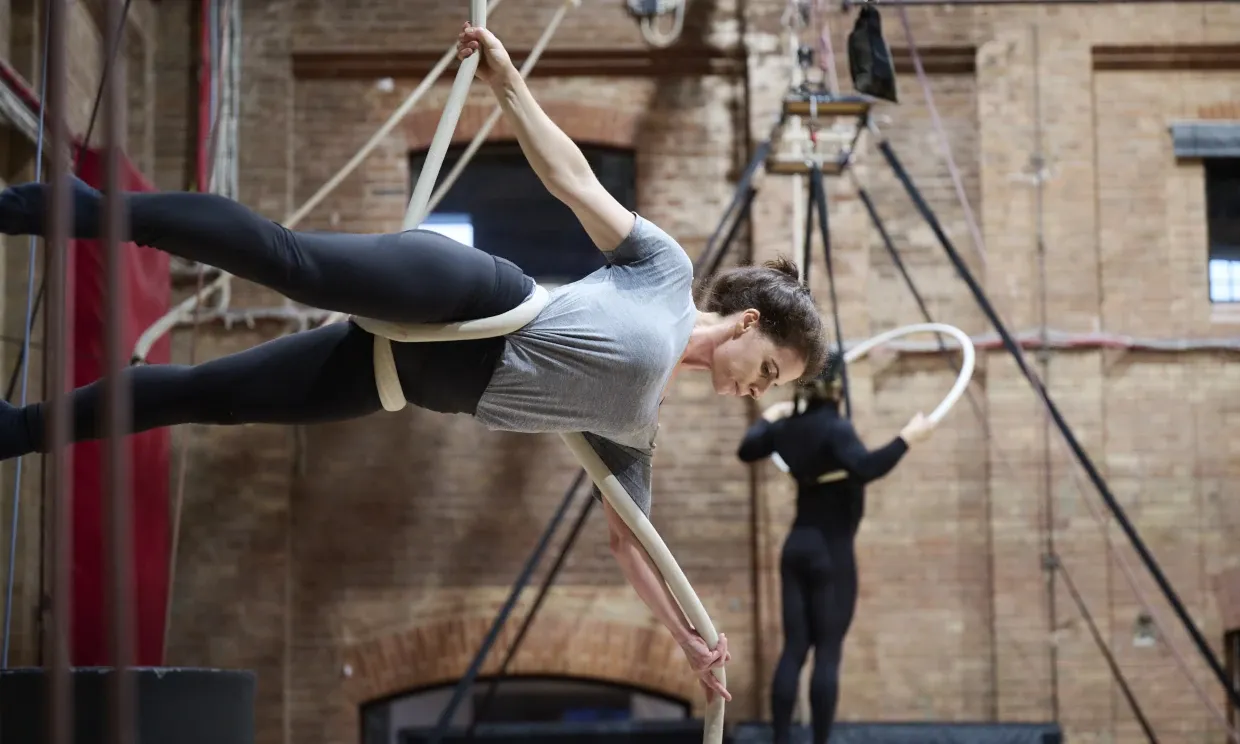
The centre’s mission, she says, is “to amplify circus’s cultural relevance”, nurture new talent, support creation, and contribute to national conversations through its leadership (especially new chief executive, Dan Cowdrill).
Lucy is clearly passionate about the transformative nature of adult classes, which she experienced herself as a former participant. She recalls being nervous, taking a tumbling class in a driven (and achieved) bid to do a handstand. “I was terrified to turn up… I only ended up coming because I had a friend with me.”
To reduce barriers, the National Centre offers low-commitment “try” classes: “It’s a one-off workshop… a much lower price… you can just come along as a total beginner and see if you like it.”
While the centre does not currently offer Hackney-specific discounts, they consider locality when awarding scholarships and that concessions are available for students, equity members, and people on certain benefits.
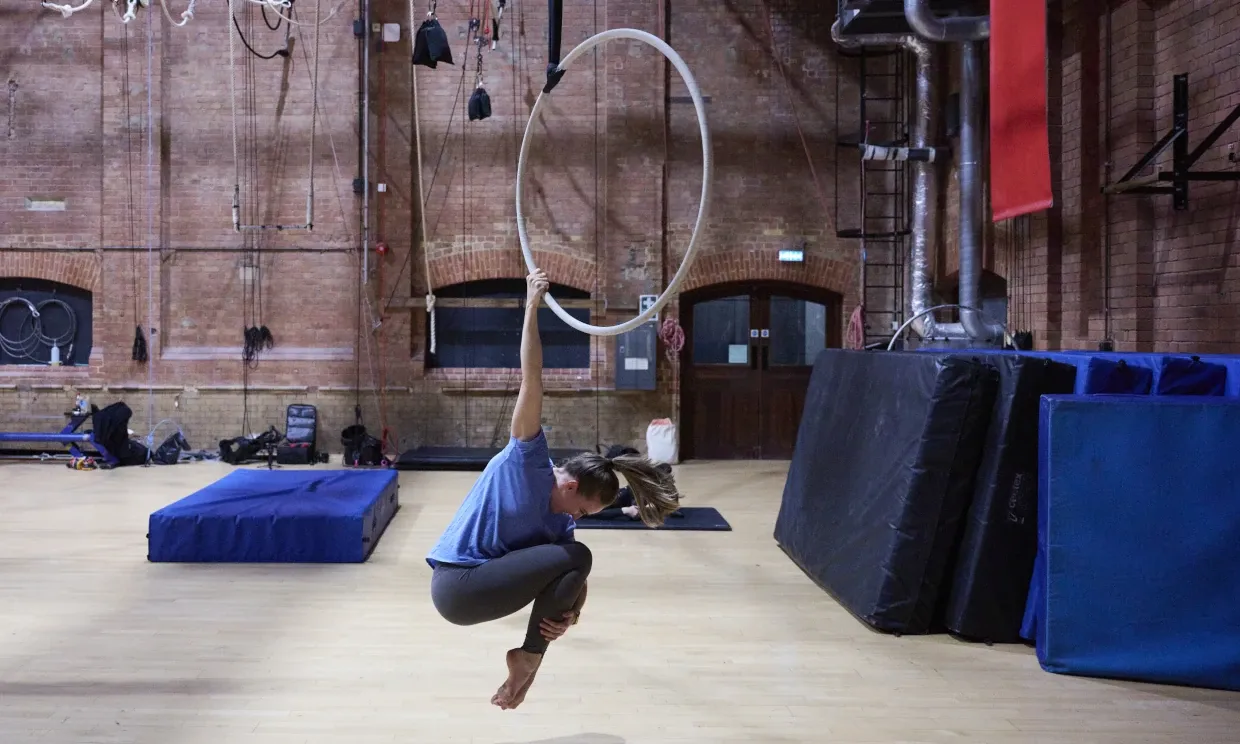
Beyond physical benefits, Lucy highlights community building: “(participants) love the sense of community… they end up becoming friends… staying in the same groups as they progress.”
Above all, Lucy emphasises the dedication of the National Centre staff. “Everyone’s here because of the love of it… it’s a building full of very passionate people.”
So this is us drumming up support (ok, I think that’s my last one). Why not try before you buy - for around the same price as a night at the theatre you can swing through the air with the greatest of ease, learn a new skill and support a local charity. And you don’t even need to run away from home to do so.
Find out more at the National Centre for Circus Arts.


