

Sticky. Gritty. Collaborative. Democratic. Empowering. Five words that artist and London International Paste-Up Festival founder Apparan uses to describe the lively event, which returns this September. Now in its sixth year, the festival once again takes over Brick Lane, bringing hundreds of paste-ups by artists from around the world to the East End.
Often the forgotten sibling of street art, paste-up is the process of attaching artwork – typically paper-based – to walls using wheat paste or wallpaper glue. Given its simplicity, paste-up’s accessibility is part of its appeal, taking art out of traditional gallery spaces and putting it directly into everyday life.
“Galleries can sometimes feel intimidating, too far away, or simply inaccessible to people with busy lives,” Apparent says. “Street art removes those barriers. It takes art directly to the public, turning everyday streets into places where creativity is part of daily life and where unexpected dialogues begin between the artwork, the artist and everyone passing by.”
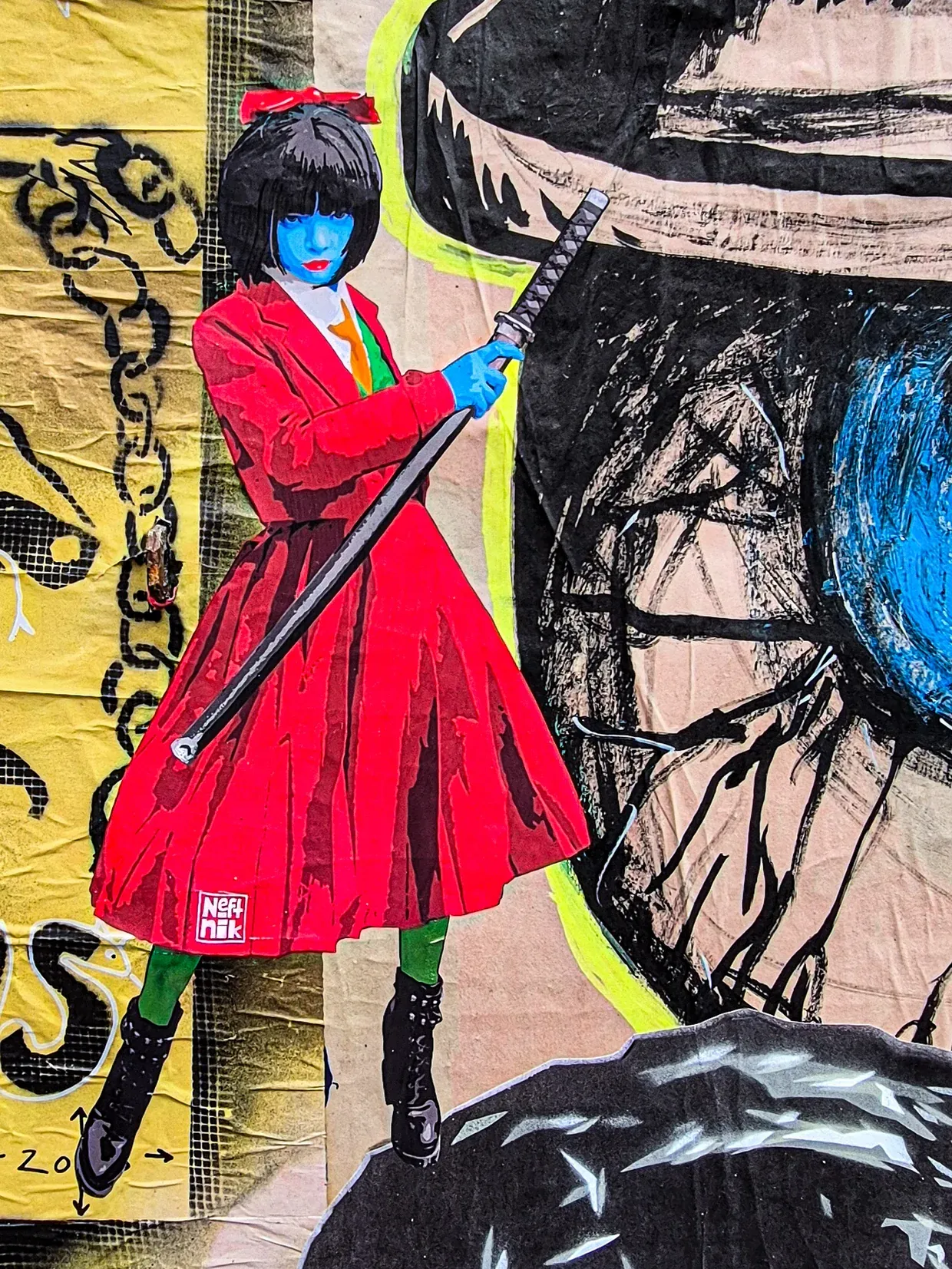
Part street-art trail, part creative gathering, the London International Paste-Up Festival celebrates the collaboration, accessibility and community spirit at the heart of paste-up culture. Visitors to this year’s edition can expect to see paste-ups by international artists including Skulz Mtl, Amara Hartman, Christwheel, wheremyeyesland, crash42170, D7606 and mindthecat. Alongside the London International Paste-Up Tour, where visitors can discover the stories behind hundreds of artworks on show, the festival hub at 118 The Lane will host a buzzing programme of live music, art, workshops, performances and exclusive festival merchandise.
Lockdown roots
Apparan explains that the festival was born out of lockdown, when so many artists suddenly found themselves isolated from the creative communities that inspired them. “As the founder of Art House Project London, I was determined not to let that happen. I wanted to find a way for artists to stay connected, keep creating, and continue collaborating.”
“We started organising online exhibitions around different themes, and something incredible happened. More and more street artists from across the globe began submitting work, many of them specialising in paste-ups – a medium that has always been close to my own artistic practice.” One of those artists was Whatifier, founder of the Naples International Paste-Up Festival, who had a profound effect on Apparan.
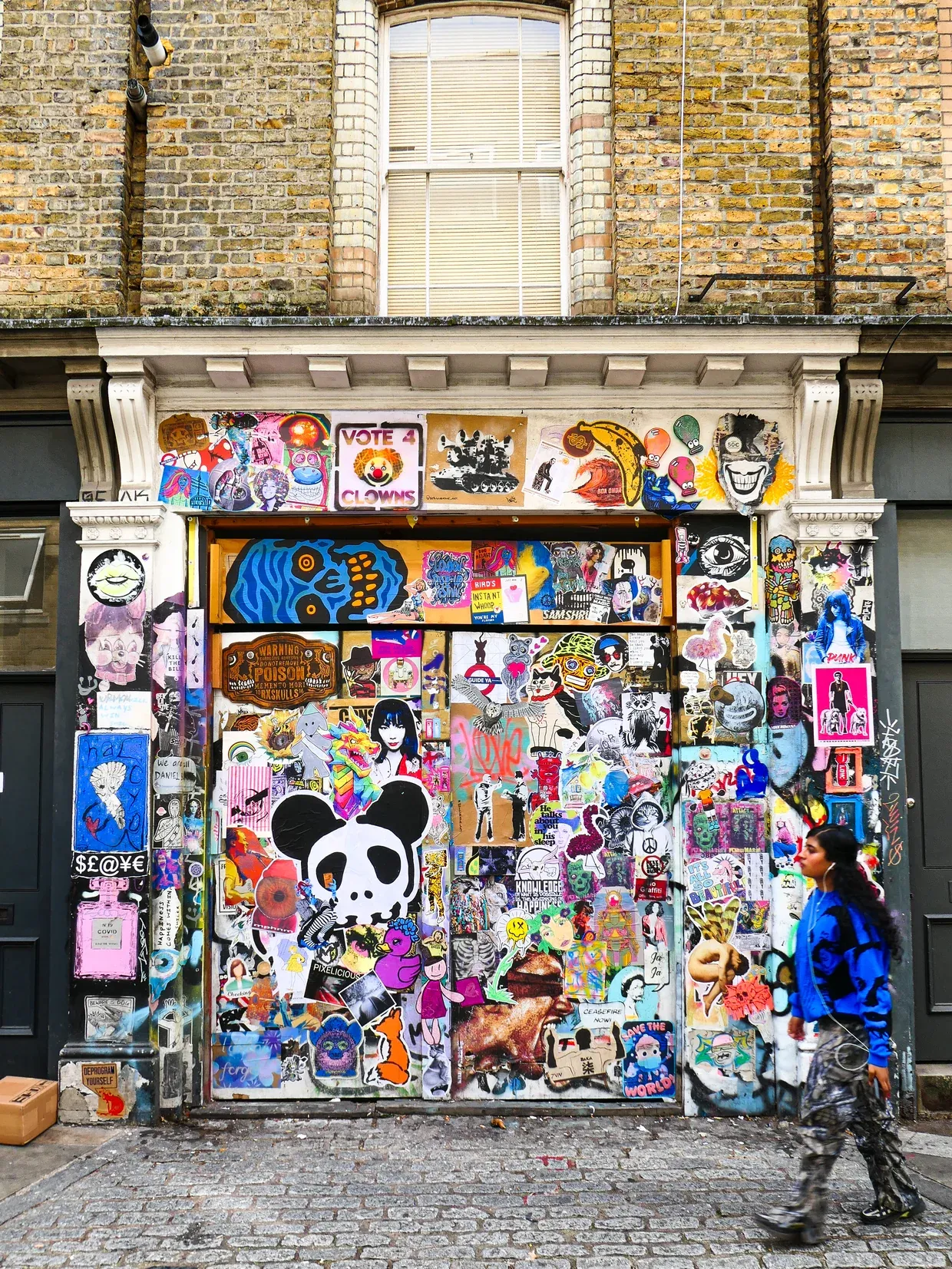
“Seeing how these collaborations flourished made me realise that they deserved to exist beyond a computer screen. When lockdown ended, the next step felt obvious: bring everyone together and create a paste-up festival as there is no better place than Brick Lane – one of the world’s most iconic destinations for paste-up and street art.”
Shoreditch, Hackney and the wider East End have long been associated with street art, with visitors flocking to see the vibrant murals, graffiti and paste-up adorning their walls, especially in Shoreditch, where Apparan says “the streets have always been like an open-air gallery. That’s part of its magic – and it receives so many visitors every day because of that.”
Under threat
Yet locals are well aware that the creative identity has been at risk for years. With plans for a data centre and offices at the Truman Brewery site on Brick Lane recently approved, these changes have once again raised questions about what the future holds for the area’s creative community. “Many have opposed these latest plans because they fear the long-term impact on Brick Lane’s creative identity. It’s disappointing that so many voices from the community feel they haven’t been listened to,” says Apparan.
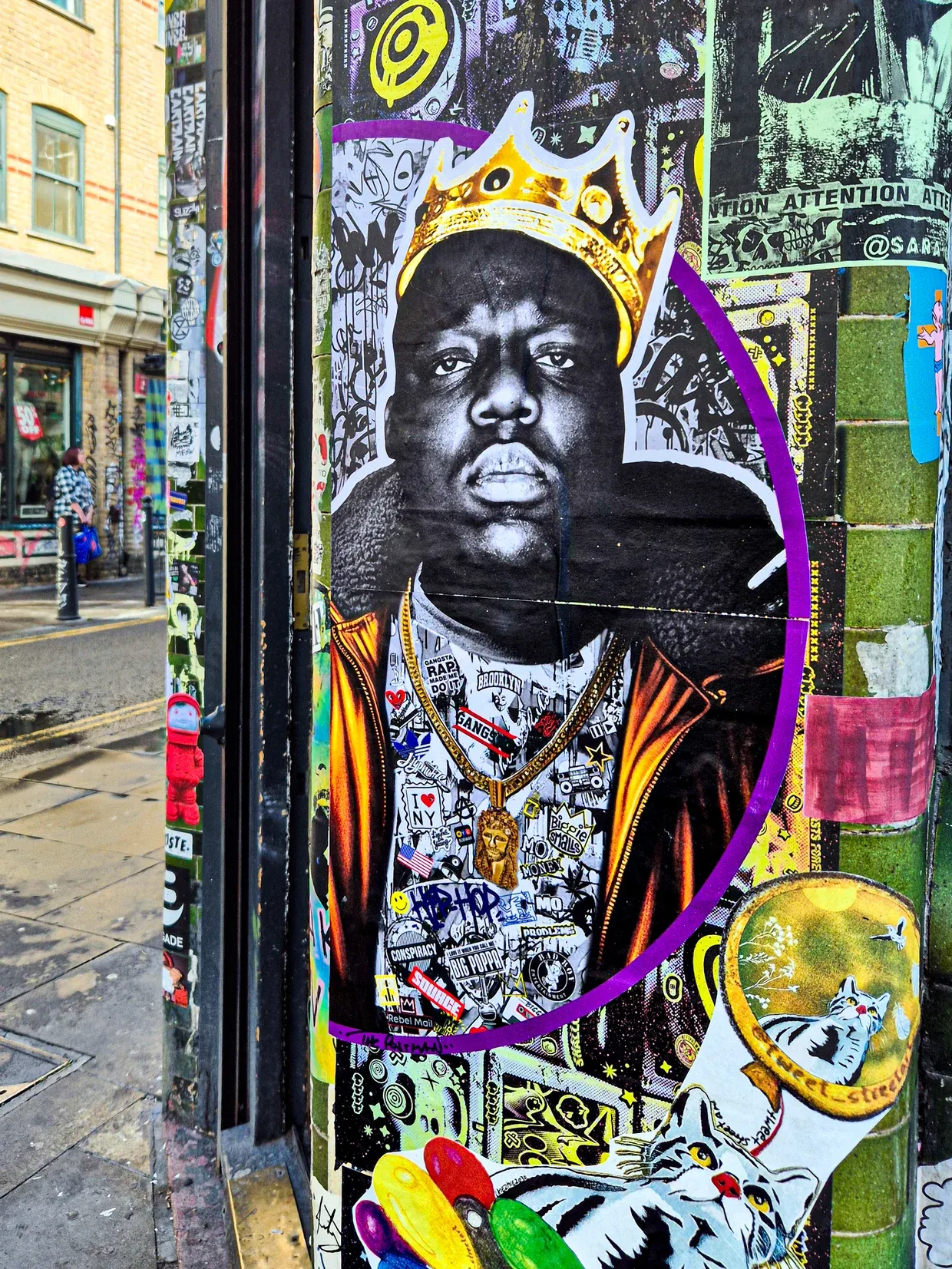
For the artist, the issue goes beyond the buildings themselves. “Brick Lane has never just been about the buildings. It’s about the people, the cultures and the creativity that have shaped it over generations. What worries me is that, little by little, gentrification risks replacing that living culture with something much more polished but far less authentic.”
“My concern is that if Brick Lane loses its independent artists, markets and street art, it risks losing its soul. People don’t travel from all over the world to see another collection of office buildings. They come to experience the energy of the streets, the murals, the paste-ups, the music in the streets, the food, the diversity and the feeling that something unexpected might be happening around the next corner.”
Investment
So what would it take to ensure artists can continue to sustain their practices in the East End? For Apparan, it starts with recognising the value artists bring to the area. “Street artists aren’t just painting walls – they’re creating cultural destinations, supporting local businesses, bringing visitors into the area and making art accessible to people who might never step into a gallery,” Apparen says. “That’s something worth protecting, not restricting. I think we need to start seeing artists as an investment rather than an inconvenience.”
“That means safeguarding affordable studios, protecting legal spaces for street art, supporting grassroots festivals and independent galleries, and making sure artists have a seat at the table when decisions about regeneration are made. Too often, developments happen to communities rather than with them.”
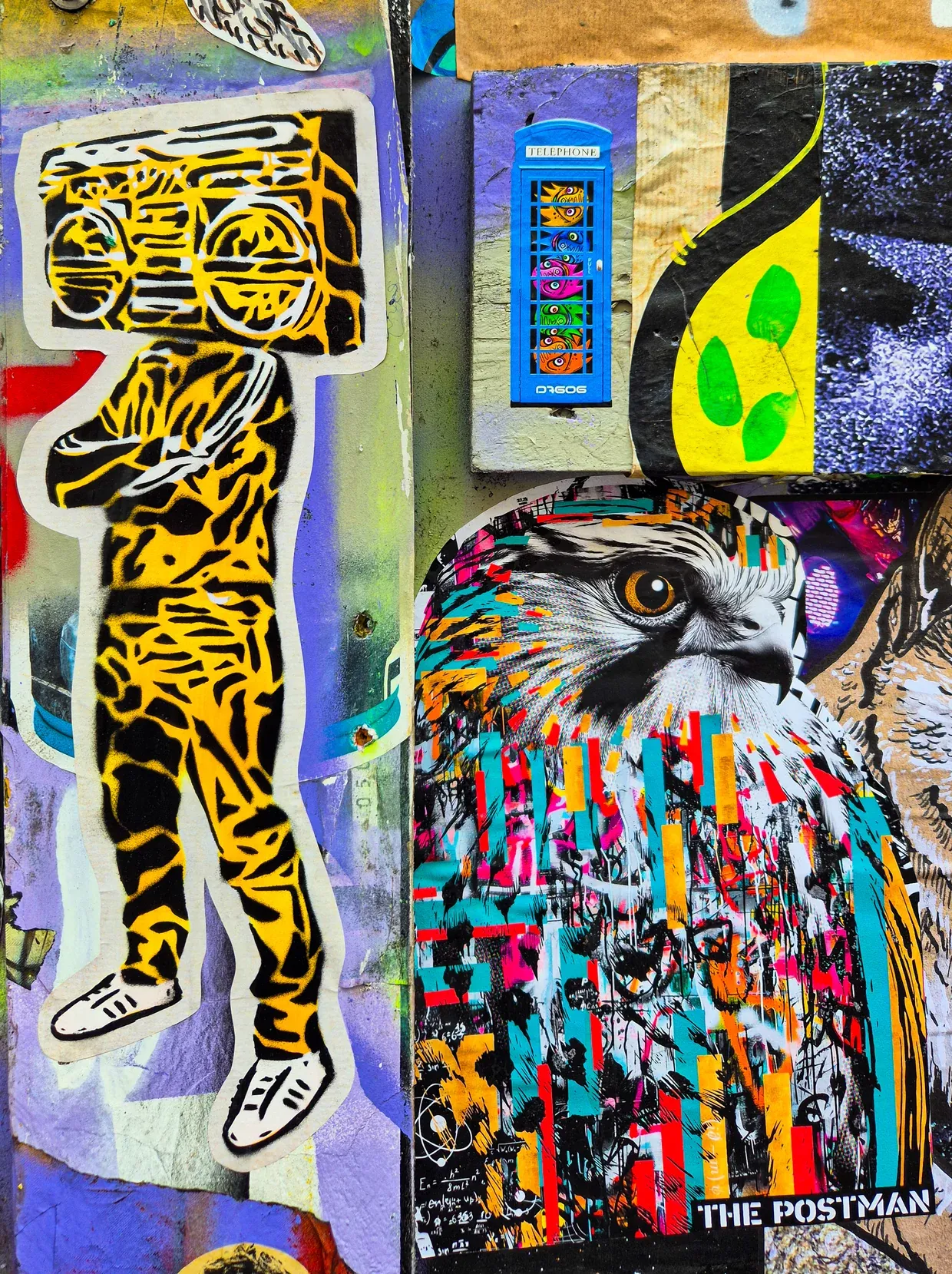
“I’m optimistic because artists are incredibly resilient. We always find new walls, new spaces and new communities. But imagine how much more we could achieve if we weren’t constantly fighting just to exist. By working together – artists, local communities, businesses and councils – we can create an East End that continues to evolve while keeping its creativity at its heart. Because once the artists are gone, it’s almost impossible to recreate the culture they leave behind.”
For Apparan, the festival offers a glimpse of what that kind of creative community can look like when it is given space to flourish. “For me, that’s what makes the London International Paste-Up Festival so special,” Apparent says. “It’s much more than a festival – it’s a global family brought together by paper, paste and a shared belief that art has the power to connect people and transform public spaces.”
The London International Paste-Up Festival returns to Brick Lane from 11–13 September 2026.


