

From Venice and Sharjah to Istanbul and Liverpool, biennials are a firm fixture of the art world. Now East London has one of its own.
Marking Whitechapel Gallery’s 125th anniversary, the inaugural Backyard Biennial: East is an eight-week arts festival in collaboration with over 40 local partners, featuring exhibitions, installations, screenings, performances, workshops and more, each celebrating the unique historic, cultural and creative identity of the East End.
The programme is certainly ambitious, but proposes a different model of what a biennial can look like – one grounded in community participation.
“The idea of a biennial was appealing precisely because it allowed us to question what a biennial can be and who it is for,” explains Leila Hasham, director of exhibitions at Whitechapel Gallery, speaking to East End Review about the initiative.
“Traditional biennials are often associated with international spectacle, large-scale travel and significant environmental costs. We wanted to explore a different model, one rooted in locality, collaboration and long-term relationships.”
The approach feels fitting for Whitechapel Gallery. The institution, Hasham explains, has been embedded in East London since it opened 125 years ago, with a history of supporting local artists, showcasing the work of schoolchildren and developing initiatives such as the East End Academy and London Open.
“Backyard Biennial builds on that legacy while reflecting the gallery’s position as both locally embedded and globally connected.”
East of the Aldgate Pump
Highlights include the group exhibition ‘East of the Aldgate Pump’, which takes its name from the historic water pump at the edge of the City of London that once marked an informal boundary of the East End.
The exhibition responds to the area’s history and creative identity, and features stories of migration, city life and kinship. “Together, these works create a layered portrait of East London’s past, present and future,” Hasham says.
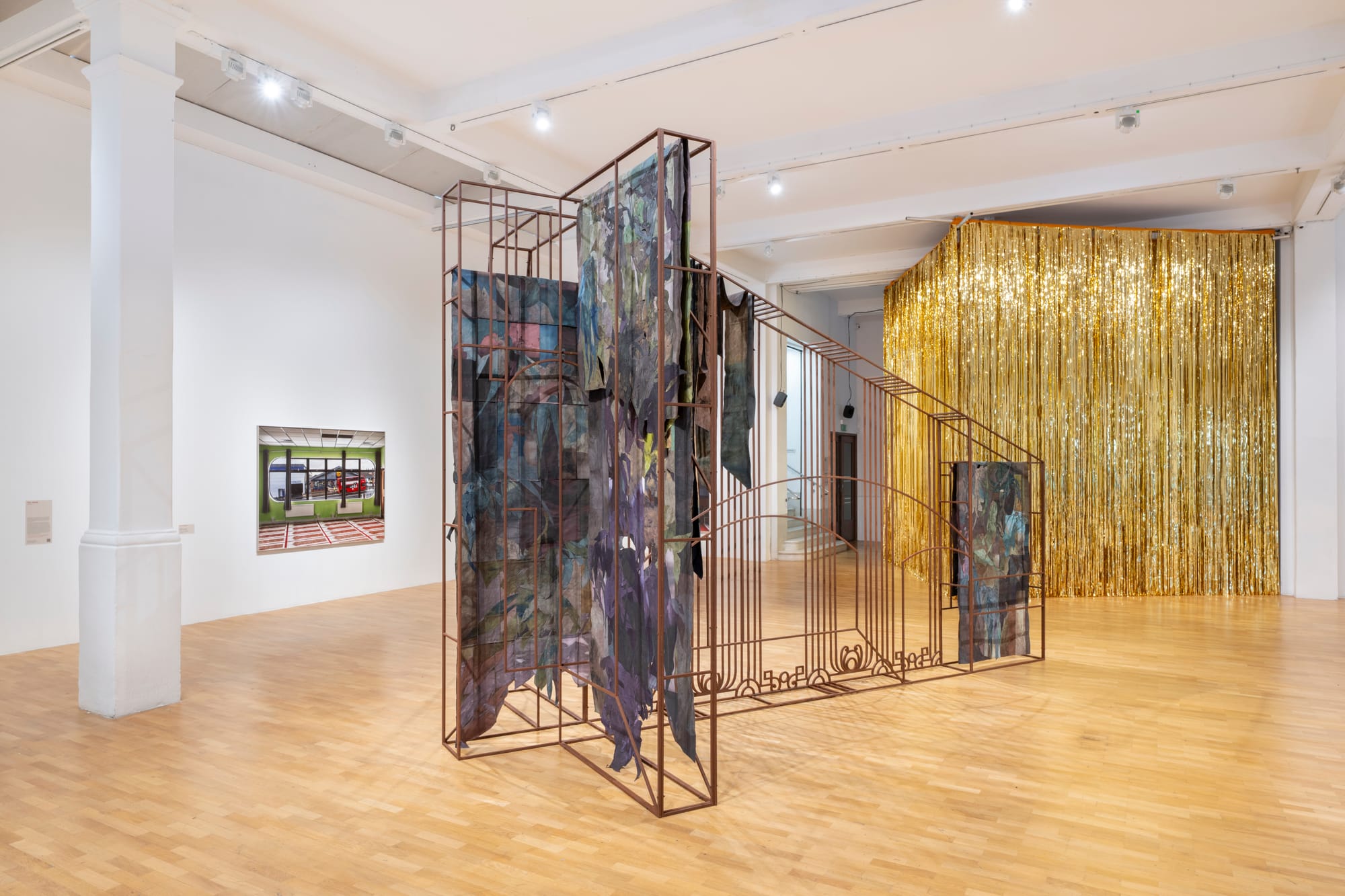
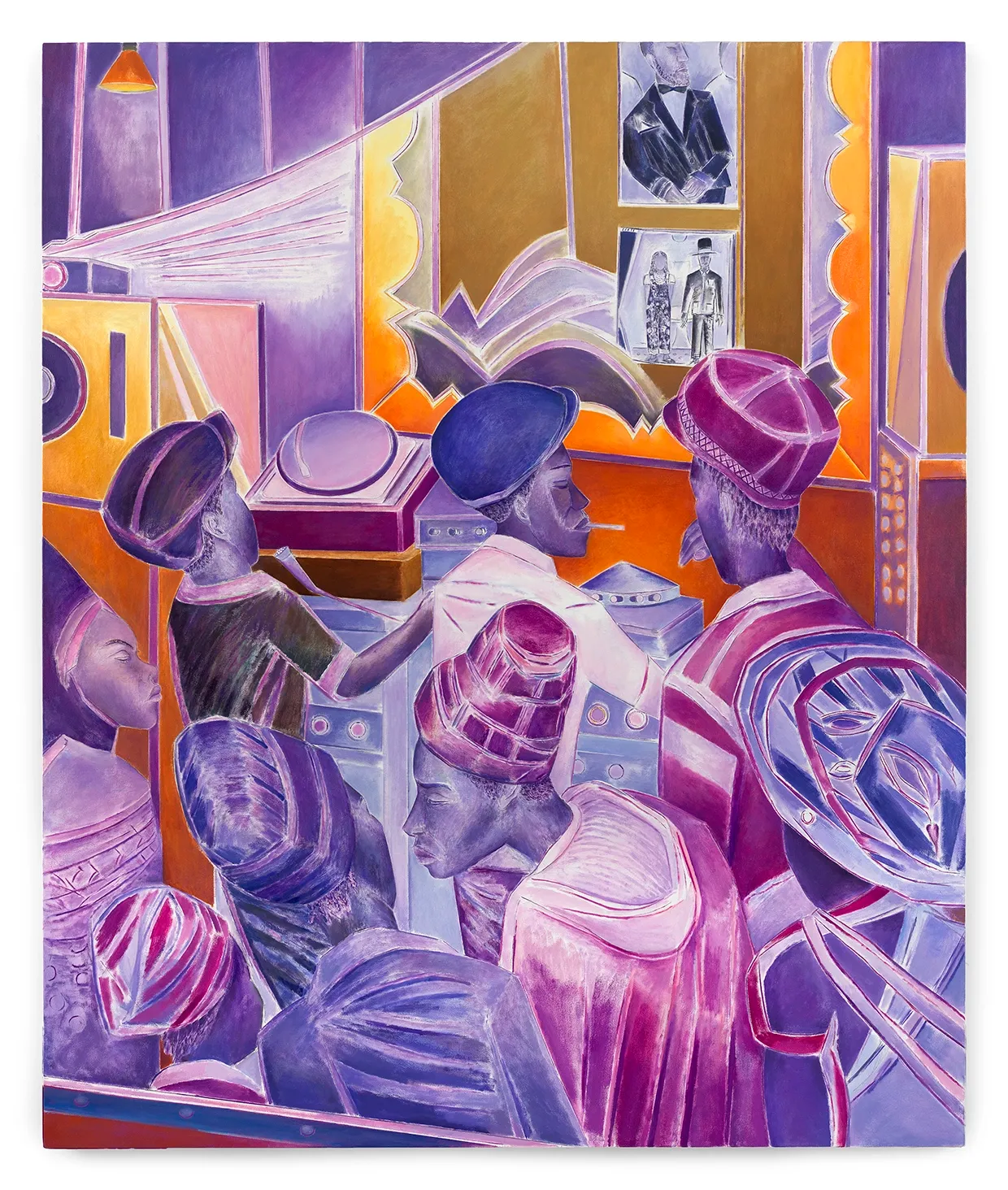
Visitors can see Denzil Forrester’s vibrant painting Jah Guide Shaka, which pays tribute to London’s 1980s reggae and dub nightclub scene, while susan pui san lok’s installation Centenary/Centenaries spans three centuries of Chinese migration, exploring how local histories are entangled with global movements such as the Hong Kong handover.
For lok, being part of the biennial is significant on many levels: “I’ve been based in Waltham Forest since the mid-1990s, yet this is the first invitation to show my work in London in 20 years, and it’s particularly meaningful to ground it geographically and conceptually in the ‘East’... Voices echo through the gallery and hundreds of images from The London Archives hint at present and absent histories.”
Jyll Bradley’s installation brings together two distant memories: the hop pickers who travelled from East London to Kent each autumn and the self-portrait photographs she made in her childhood bedroom.
“I am thrilled to be in Backyard Biennial as it gives me the opportunity to bring to light a forgotten local story as well as share hidden aspects of myself,” Bradley says.
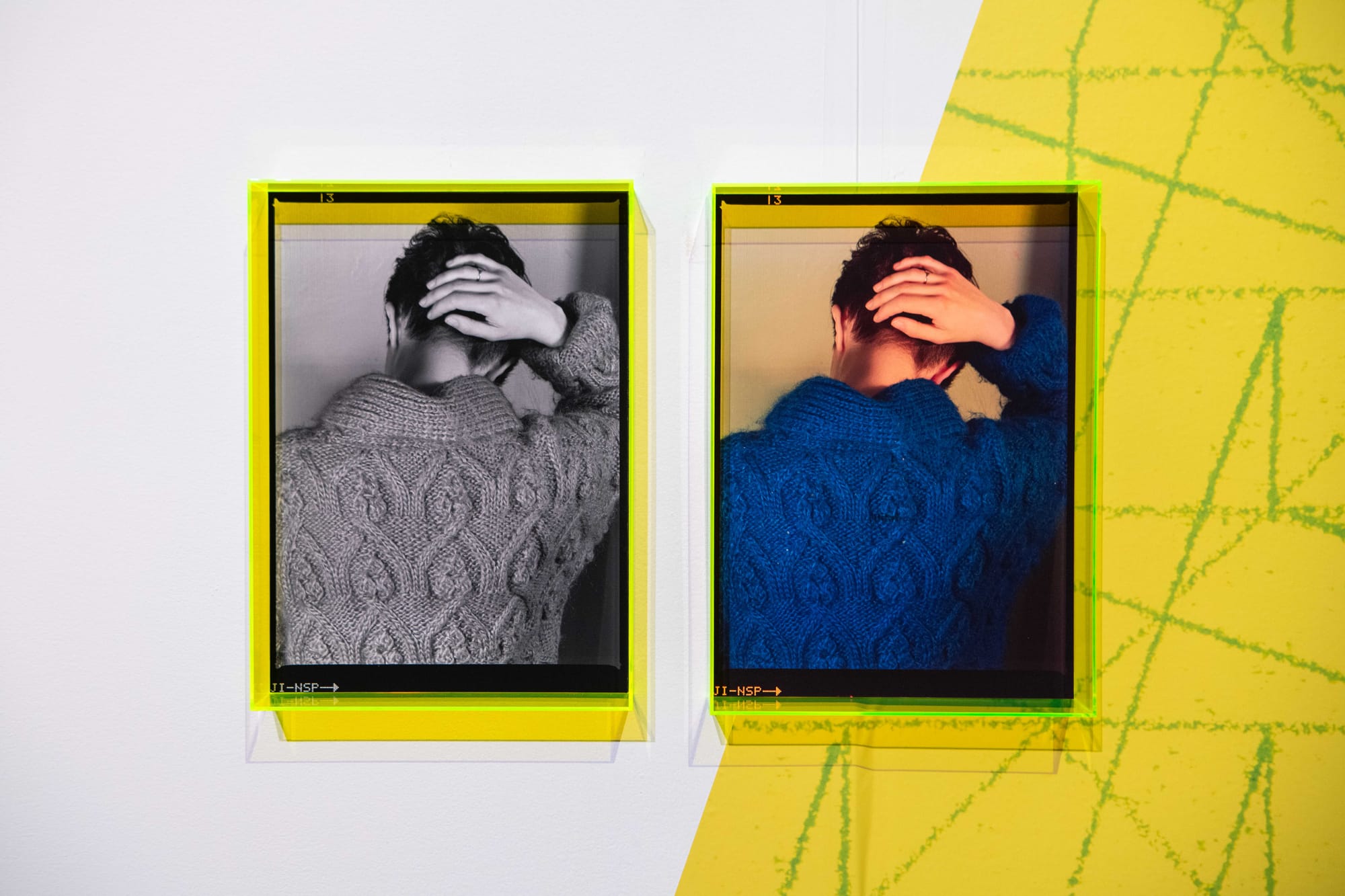
“My installation shows the self-portraits forty years later in a space that evokes my childhood bedroom. It brings me hope to see how lives and journeys, patterns and memories are intertwined. We are all connected somehow.”
Framing Britishness
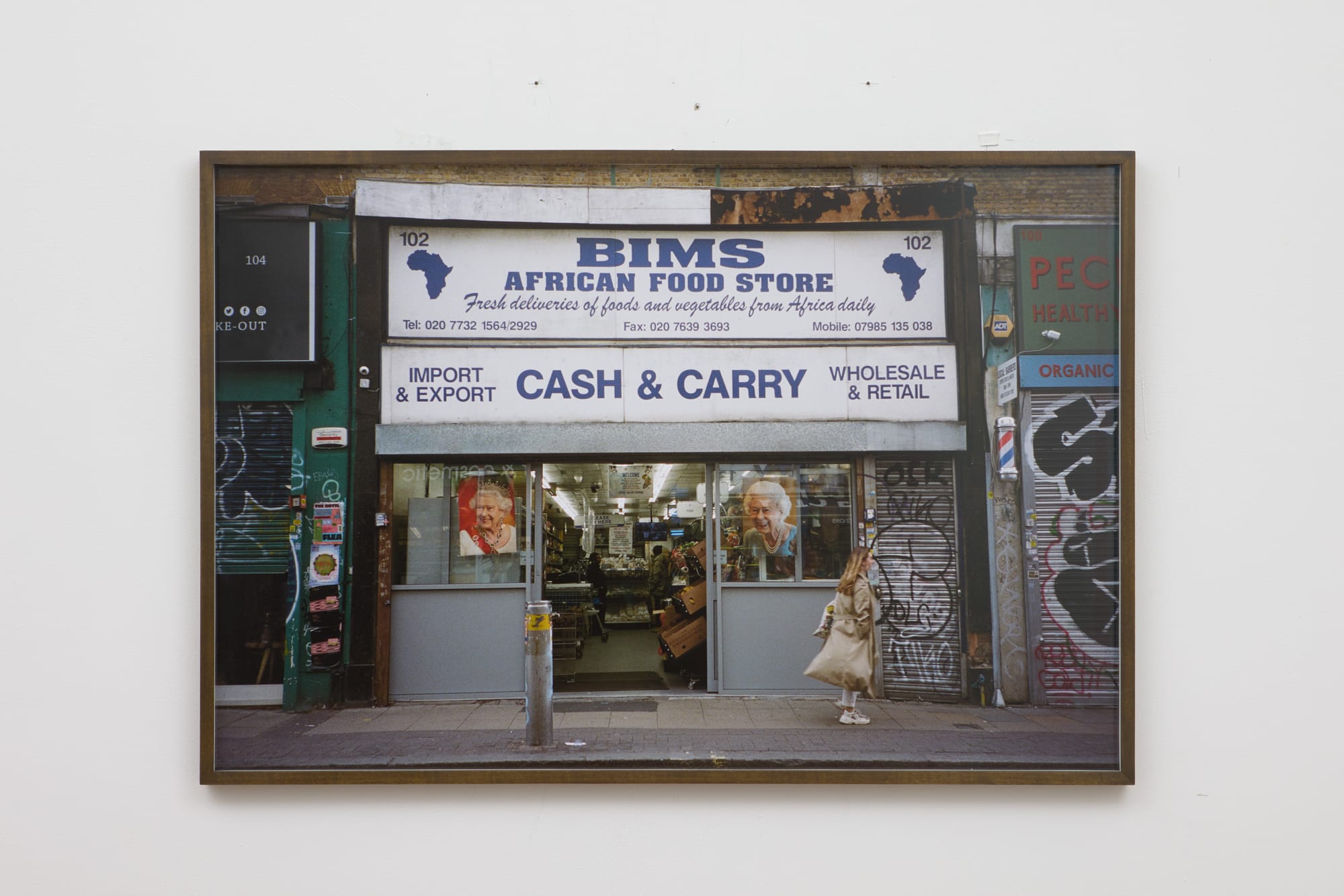
Rene Matić’s photographic series flags for countries that don’t exist but bodies that do (2018–21) feels “especially resonant”, according to Hasham. The series includes images of a housing estate adorned with the St George’s flag, a high-street Cash & Carry called “BIMS AFRICAN FOOD STORE”, and snapshots from queer nightlife.
“The series seems to be asking who is included and excluded from ideas of Britishness. The co-existence of tenderness, anger, mourning and connection feels particularly relevant at a time when questions of national identity and social division remain at the forefront of public conversation.”
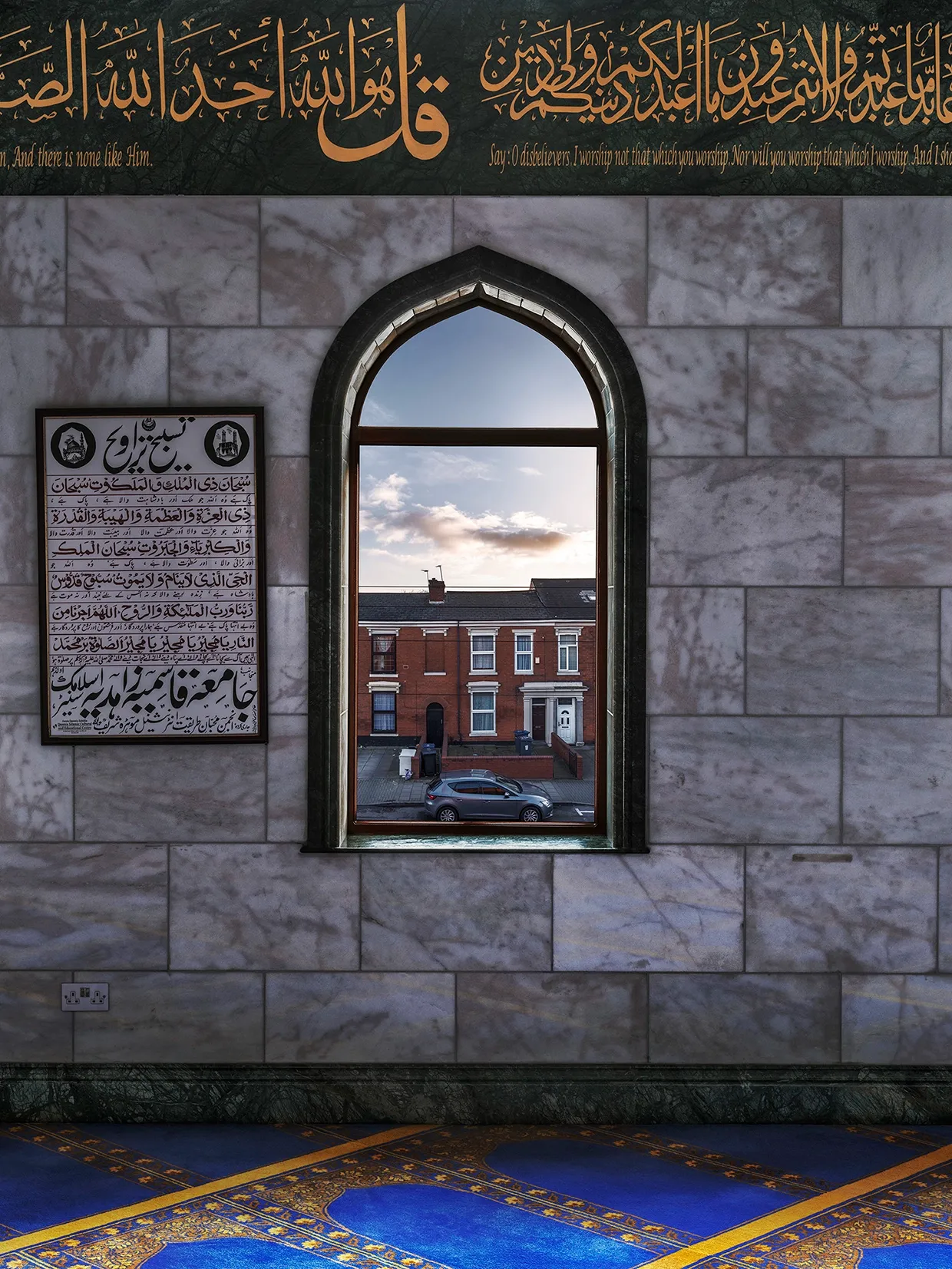
Photographs from Marwan Bassiouni’s striking ongoing series New British Views are on display, in which the artist captures the English landscape framed by the windows of mosques and Islamic prayer rooms.
“It’s meaningful to present New British Views in London, where many of these photographs were made,” Bassiouni says.
“The work invites viewers to approach familiar places with greater openness and attention. I think that resonates with the spirit of the Backyard Biennial, which encourages a more intimate encounter with the people and places around us.”
The biennial’s film programme takes a similar approach, centred on the work of pioneering filmmaker John Smith.
“John Smith has been filming East London for decades, with a practice built around close, sustained attention to his immediate surroundings,” says Hasham.
“He felt crucial to the overall programme.” Among the films being screened is Lost Sound – “a brilliant short film made with artist and composer Graeme Miller”, which traces fragments of discarded audio tape found across Tower Hamlets and Hackney.
Whose backyard?
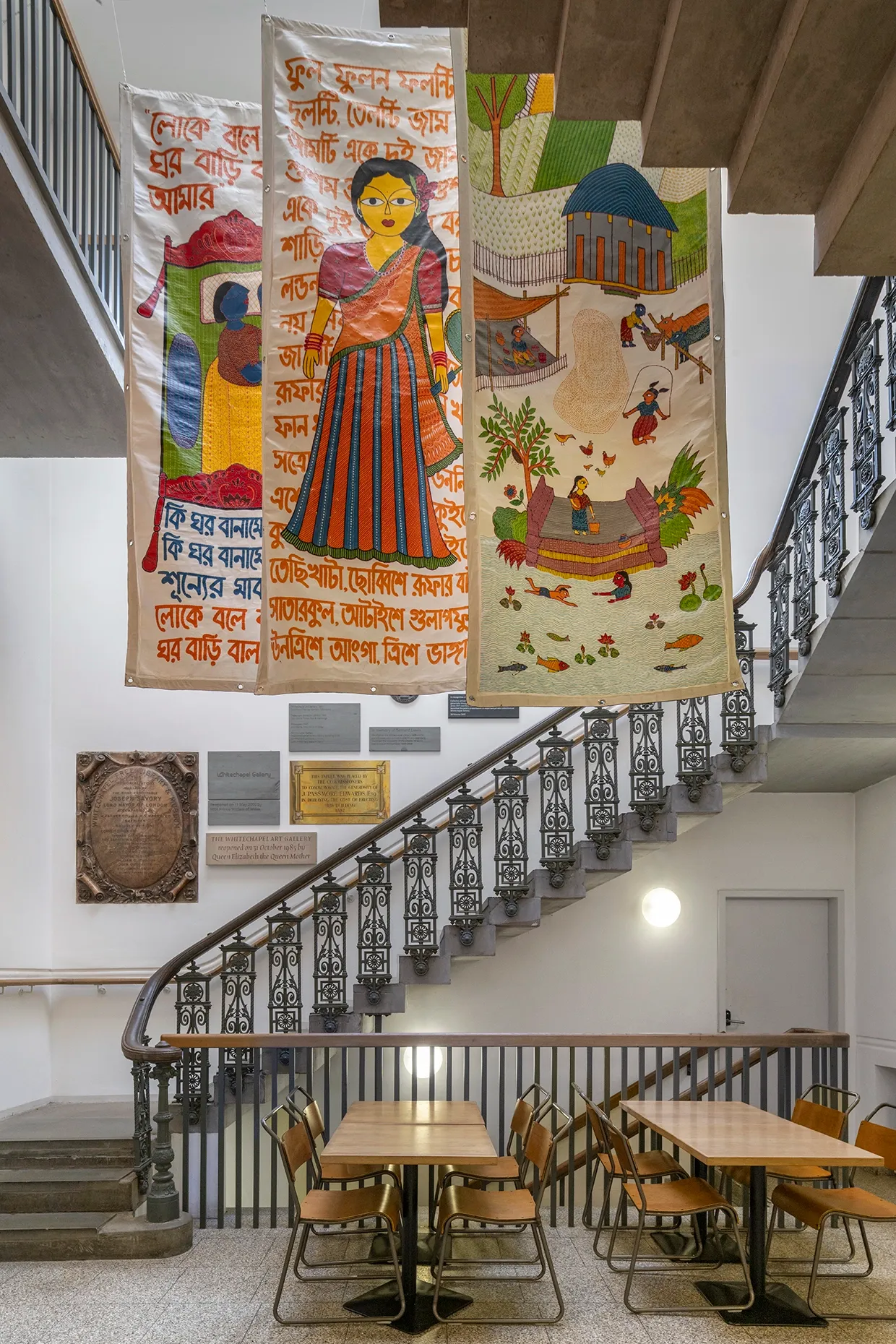
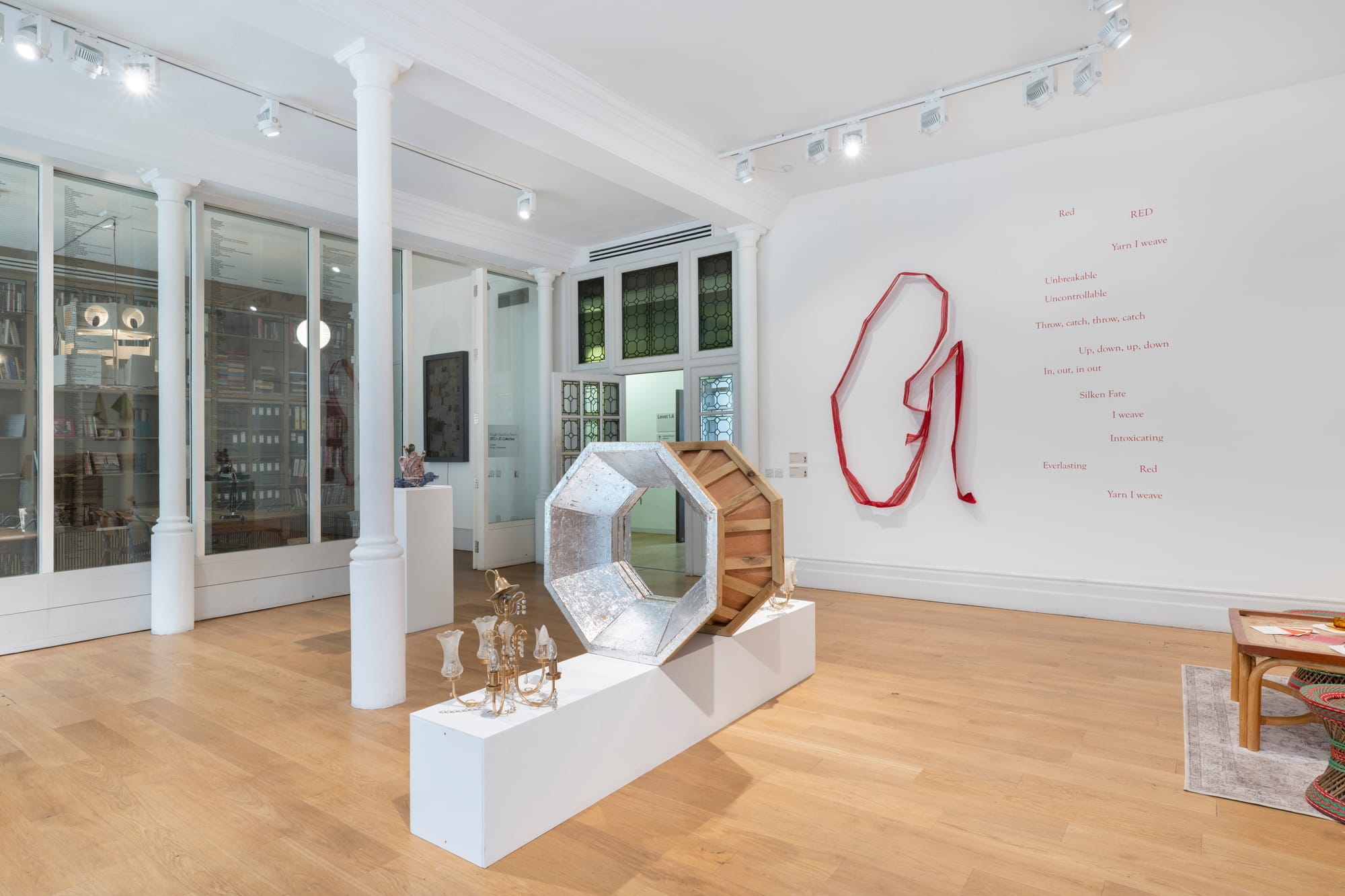
OITIJ-JO Collective, a Bengali arts and heritage organisation based in East London, brings TUFAN to the biennial – a dynamic programme and group exhibition inspired by the Bangla word for ‘storm’.
TUFAN spills across the building through artist-led activations including the beautiful Stitching Light আলো দিয়ে গাঁথা installation in the foyer, in collaboration with Emergency Exit Arts and artist Ruhul Abdin.
“For us, OITIJ-JO’s connection to East London’s Bengali community isn’t a backdrop – it’s the lens,” says Maher Anjum, director of OITIJ-JO.
“Bringing it into the Backyard Biennial means asking whose culture, whose creativity, gets counted and acknowledged in the first place. It’s about having the space to add our own narrative, rather than fitting into someone else’s version of what heritage, culture or creativity should look like.
“We want to open up conversations about belonging: how a backyard in East London can hold the same weight and agency as any other space claiming authority over heritage, and how diaspora communities aren’t just telling ‘stories of migration’ in these cultural spaces but are authors telling our own stories in our own words and through our own medium of creativity.”
Backyard Biennial: East takes place at Whitechapel Gallery until 6 September 2026, with the partner programme taking place at various sites across East London.
Whitechapel Gallery
77–82 Whitechapel High Street
London, E1 7QX


