

As wildfires burn across Europe, North America and beyond, you may be coming to see flames as a mortal risk.
Richard Skrein has set out on a mission to convince you otherwise. The Hackney-based forest school teacher and storyteller has just published the book Fire: Why We are Drawn to the Flame, which charts the different ways in which fire is integrated into cultures around the world.
The book starts with the basics of what makes sparks leap up, but its real purpose is to convey stories gathered from across the globe that show how important the burning process has been and continues to be to human civilisation.
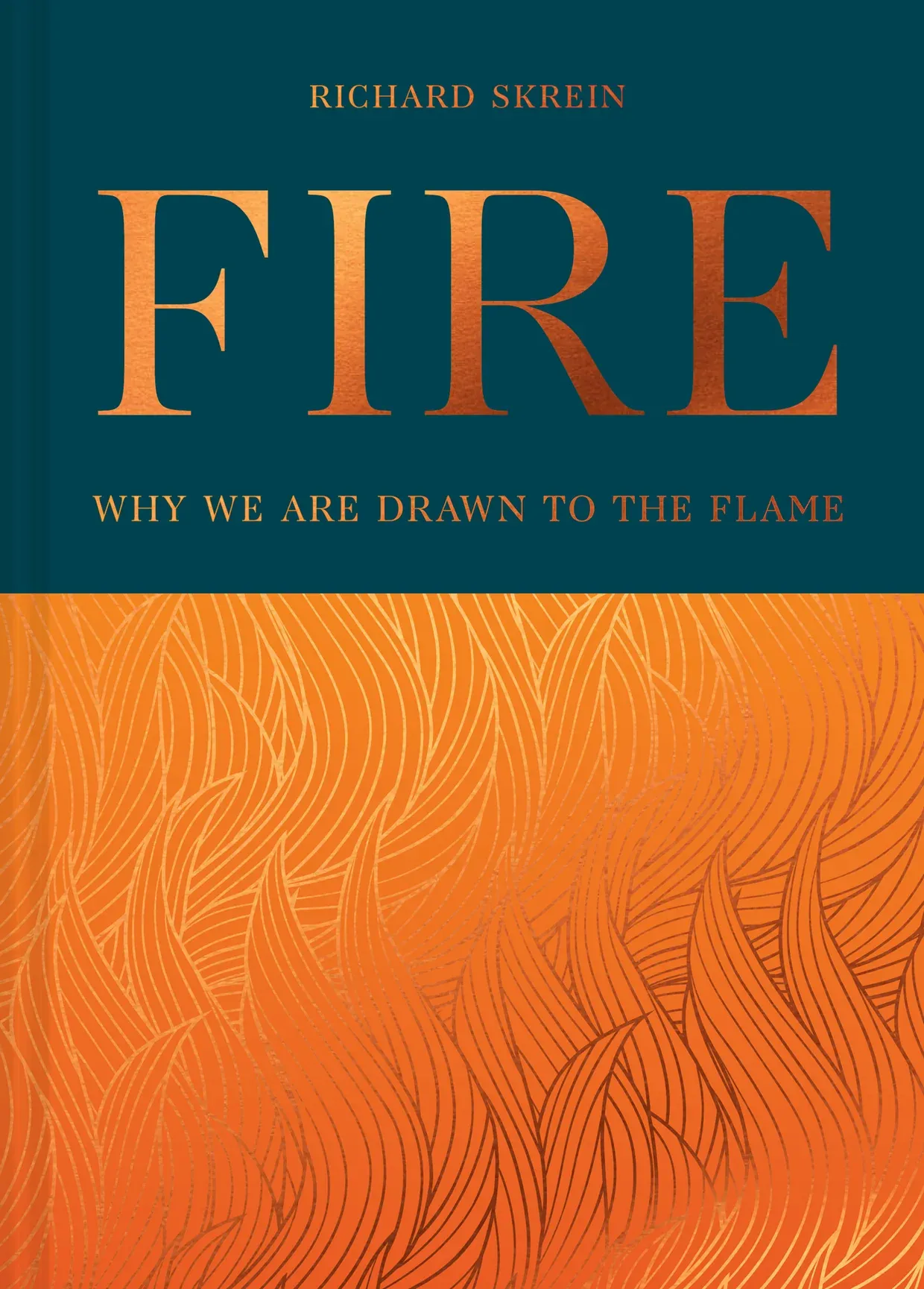
Interwoven with folktales and poems are practical tips on how to light kindling in the woods, how to cook over a campfire and how to enjoy it – did you know that sitting by the hearth can reduce your blood pressure?
This is in part a deeply personal account of what fire means to Skrein, but it is also a narrative that will resonate widely.
One of the main themes of the book is that our interaction with flames is part of what makes us human. Skrein maps out the various roles that fire plays in agriculture, medicine and art, not to mention the basics of heating and cooking.
The volume is handsomely bound and illustrated with a large number of truly gorgeous images (blazing objects are, after all, quite photogenic).
If you ever thought of fire as being purely destructive, Skrein’s book will surely make you think again.
Fire: Why We are Drawn to the Flame by Richard Skrein is published by Pavilion; ISBN: 978-0-00-875151-7; RRP: £18.99.


