

Sophya, an experimental jazz singer living near Stratford, has just released her new EP Fate – a four-track project that explores family lineage, migration and a sense of destiny. After moving to London from Portugal at the age of 18, she uses her music to uncover what it means to maintain connection to her roots while embracing the new.
The EP opens with “Mother’s Daughter”, a vulnerable introduction to Sophya which encompasses a lot of the project’s wider themes. A tribute to those who came before her, the lyrics tell: “Your eyes whisper to me, this house whispers back // My grandma’s melodies, sing the stories of my past”. The track is a richly layered piece, weaving instruments beneath Sophya’s soaring vocals. She leans into cinematic elements when writing, creating a touching and nostalgic soundscape of windchimes stirring softly in a breeze. It sets up her overriding sense of fatalism: “The breeze called us, we followed its word // The ground will hold us, wherever we choose to go”.
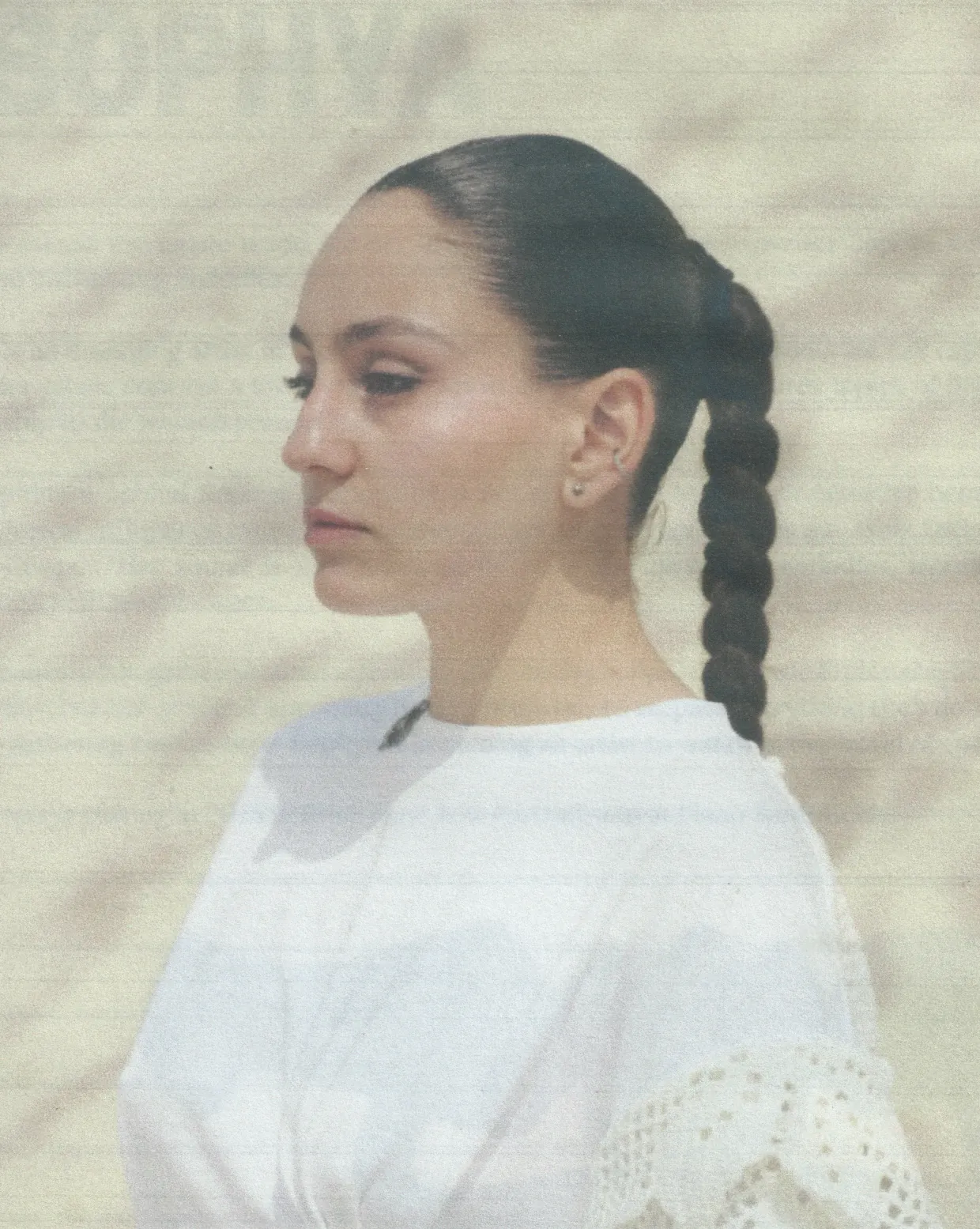
That same sense is what pulled Sophya to London. Her second song, “Aboard” (my personal favourite) captures Sophya’s struggle to leave her family and home behind to pursue music. It carries a more rhythmic, forward-moving momentum than the rest of the tracklist; atmospheric percussion and jazz piano riffs build over melodic hooks. “Where are we going, so many miles away // Written in the stars, the choice we made // Still I feel so lonely without you.”
“Although this song has a lot of that intensity, it also sees the bright side and that things are meant to happen,” she shares. “It was meant to be this way.” It was in London that she discovered her love for jazz, having grown up a huge fan of rock and a self-confessed jazz hater. After going to uni to study sound production, she was introduced more to the genre, finding it increasingly intriguing. “It was annoying because I didn’t understand it,” she tells me. “I’m really stubborn so I was like, now that I don’t understand it, I need to understand it.”
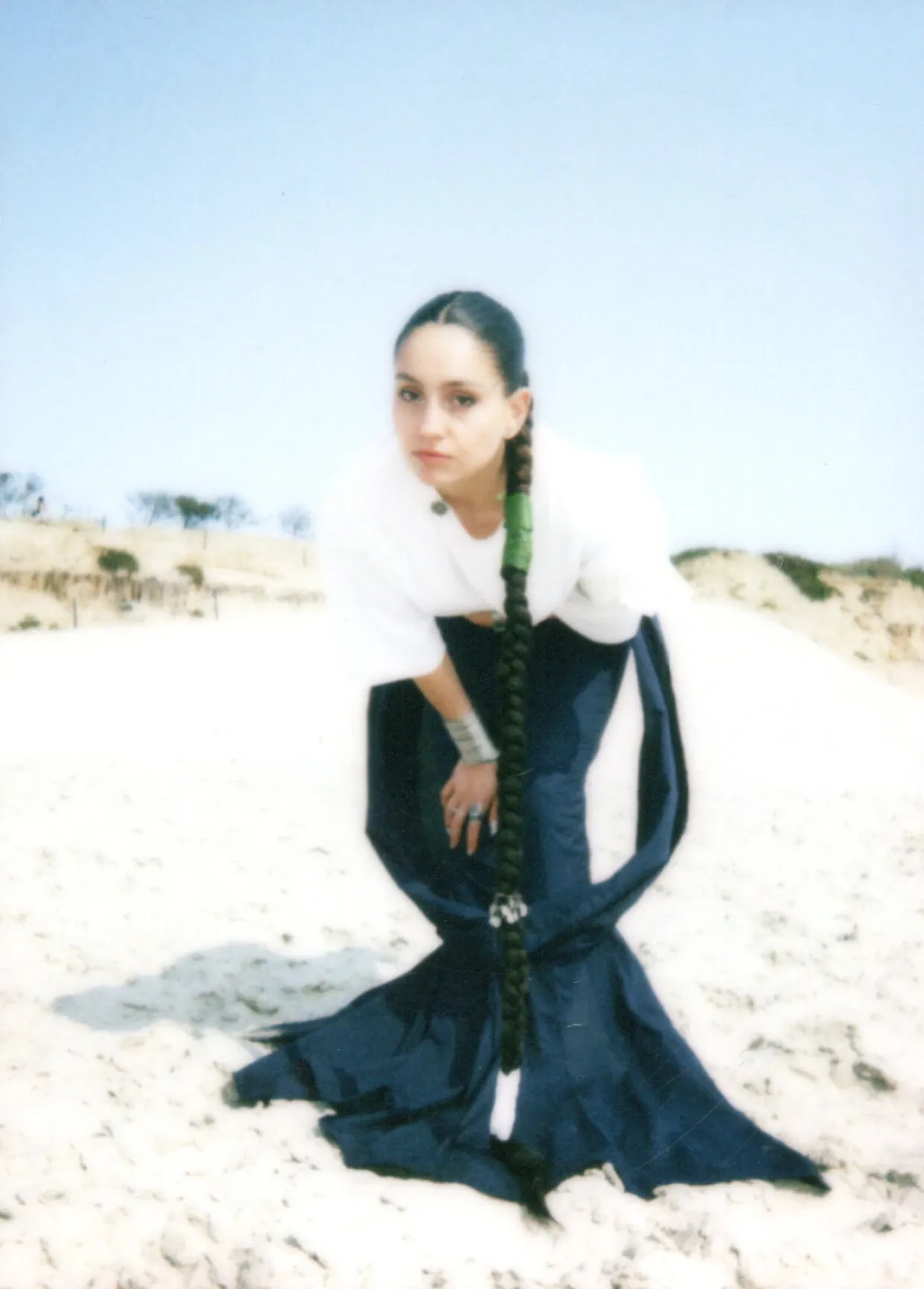
The third song, “Malha”, is the only track Sophya has ever written in Portuguese. Its title translates as “mesh”, and the song is a homage to women and her relationship with home, grounded in traditional imagery: “Malha talhada do meu coração (Crafted mesh of my heart) // Cesto de vime que levo na mão (Wicker basket that I carry in my hand).” Sophya grew up in a tiny rural town outside Porto. “Home is very vivid to me”, she says. Her house was built by her family four generations ago, and its isolation meant she spent much of her childhood alone, though she speaks fondly of exploring the wild land around it.
Sophya started writing songs at 13, and explains why she always wrote in English: “At the time in Portugal it was difficult to explain your emotions because people were not really open-minded, mental health in 2013 wasn’t a big thing. So I felt really vulnerable singing in Portuguese because people could understand, but if I sung in English, nobody around me could.” Releasing “Malha” now feels like a testament to her readiness to be fully seen.
The EP closes with “Heaven’s Eyes”, a fitting resolution about finding contentment and meaning in the little things in life. After the searching themes of the previous songs, here there is a calm acceptance that “It’s all so simple, when you look at life through heaven’s eyes”. Having experienced frustration with London’s music industry, Sophya now wants to take more control over her relationship with performing her music. She tells me of her plans to hold small performances in the park over summer, where people can bring canvases and paint while she sings. “I want to focus on growing a small group of people who are like, I actually care, I like your music.”
It’s an approach more focused on growing connection than ticket sales, and comes back to the EP’s themes – which for Sophya aren’t abstract ideas but tangible things. “If I were to put this in physical objects, it’s what I feel about love being everything, and being this mesh that connects everything,” she muses. “That feeling of fate is like a little thread of that mesh that just leads forward.”
Have a listen to Sophya’s EP Fate here.
Instagram: @___sophya___


